
Mirafi 140NC Geotextile Fabric - 12.5' x 360' Roll - Solmax
FREE SHIPPING
Free Shipping - Please submit a Quote Request for quantities larger than listed below.
| Quantity | Price Per Unit (Free Shipping) |
|---|---|
| 1 | $1,407.31 |
| 2+ | $1,336.94 |
| 3+ | $1,266.58 |
| 10+ | $1,196.21 |
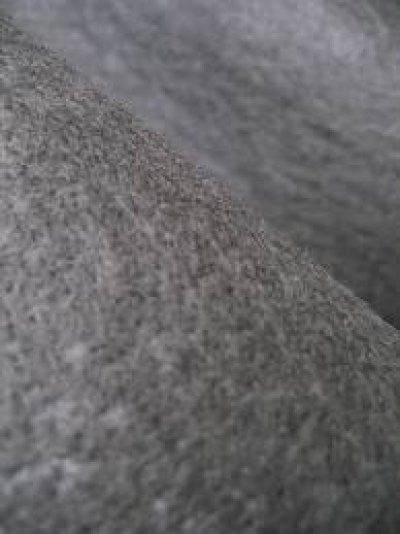
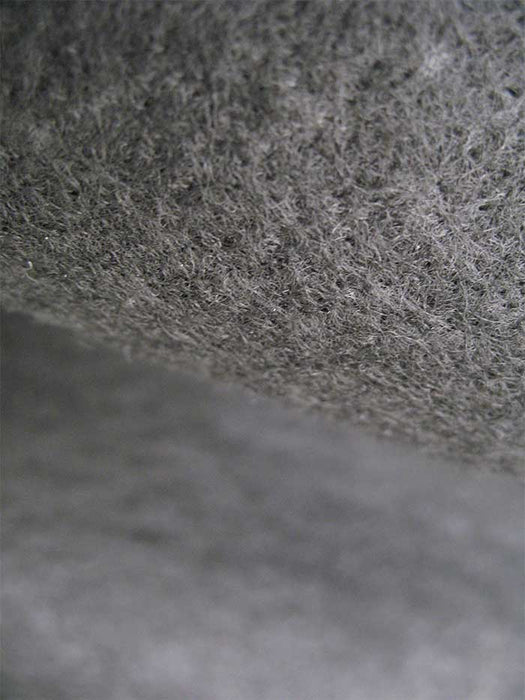
Mirafi 140N is a workhorse nonwoven geotextile, built to separate soil layers and let water pass while holding fines back.
This needle-punched polypropylene fabric is a go-to for subsurface drainage, French drains, and under-aggregate separation, where it keeps base stone from pumping down into soft subgrade and clogging with silt. High flow-through and strong particle retention let it drain freely without losing the soil beneath.
Contractors reach for the 140-class because it balances durability and permeability at a working-grade price. It rolls out fast, conforms to uneven ground, and stands up to installation stress on driveways, roadways, drainage trenches, and erosion-control projects where long-term separation matters.
Mirafi 140NC Geotextile Fabric - 12.5' x 360' Roll
Square Feet / Roll: 4,500
Weight: 142 lbs
Fabric Specifications: Download 140NC Specification Sheet
Why Choose Mirafi 140NC?
5 reasons engineers specify Mirafi N-Series over generic nonwoven geotextiles
Cut-Edge Resistant Construction
The 140NC uses a specially bonded edge construction that resists fraying and unraveling at cut edges — critical in applications where field-cut panels are installed against rough aggregate or at pipe interfaces.
Documented ASTM Performance
Published grab tensile, puncture resistance, AOS, and permittivity data per ASTM standards — giving engineers confidence that every roll meets design parameters without relying on manufacturer claims alone.
USA-Made, BABA Eligible
Produced in Georgia, Mirafi 140NC qualifies for Build America / Buy America requirements on public works projects — an advantage many generic nonwoven imports cannot satisfy.
Specified on Infrastructure Projects Nationwide
TenCate Mirafi N-Series fabrics have been the geotextile of choice on DOT, utility, and private civil projects for over 40 years — with the field performance data to back it up.
Appears on State DOT Approved Lists
Mirafi N-Series geotextiles are pre-approved on qualified products lists in multiple states, reducing specification substitution risk and inspection friction on public projects.


