
Questions?
(800) 748-5647
(800) 748-5647
(800) 748-5647
(800) 748-5647

Water management is a big deal, whether you're building a new patio or just trying to keep your basement dry. A channel drain system might be just the ticket. These clever systems help move water away from where you don't want it, preventing all sorts of headaches like flooding and damage. We'll break down what you need to know to pick the right one for your project.
Channel drain systems use gravity to move water efficiently, so placement and slope are super important for them to work right.
Think about what the drain will handle – heavy traffic, chemicals, or just everyday rain – to choose the best type and material.
There are different kinds of channel drains, like slot drains for a clean look or tougher ones for driveways, so pick one that fits your project's style and needs.
Materials like stainless steel, galvanized steel, and polymer concrete all have their pros and cons regarding durability and cost.
Getting your channel drain system installed correctly is a big deal to make sure it works well for a long time and doesn't cause other problems.
So, you're looking into channel drains? Great! They're pretty much the unsung heroes of keeping water where it needs to go, especially in places like patios, driveways, or even around pools. Basically, these are long, narrow channels installed into a surface to collect and move water away. Think of them as a really efficient gutter, but laid flat on the ground.
At their heart, channel drains are all about using gravity. You install them with a slight slope, and water just naturally flows down the channel towards an outlet. It's a simple idea, but it works really well for preventing puddles and water buildup. The water gets captured, guided along the channel, and then sent off to a drainpipe or another drainage area. This simple mechanism is key to preventing water damage and keeping surfaces dry.
Gravity is the main engine here. Without a proper slope, water would just sit there, defeating the whole purpose. The gradient, or slope, is super important. It needs to be just right – enough to move the water efficiently but not so steep that it causes issues with the surrounding surface. Usually, you're looking at a slope of about 0.5% to 1%, meaning the channel drops half an inch to an inch for every 10 feet of length. Getting this slope right is probably the most critical part of making sure your drain actually does its job.
Where you put your channel drain matters a lot. You want to place them in areas where water tends to collect or flow. This often means at the lowest points of a paved area, along the edge of a building, or across a driveway where water might pool. Think about where rain naturally runs or where you get runoff from higher ground. Putting a drain in these spots means you're catching the water before it can cause problems. It's all about intercepting the water flow effectively.
So, you're looking to put in a channel drain system. That's smart! They really help manage water and keep things from getting flooded. But picking the right one isn't just a grab-and-go situation. You've got to think about a few things first to make sure you get what you actually need.
First off, where is this drain going, and what's it going to do? Is it for a backyard patio, a busy loading dock, or maybe a commercial kitchen? Each spot has different demands. For a simple patio, you might not need the heavy-duty stuff. But if it's a place where cars or forklifts will be driving over it, you'll need something way more robust. Think about the kind of water it'll handle too. Is it just rainwater, or will it be dealing with oils, chemicals, or food waste? This really matters for picking the right material and design.
This ties right into the application, but it's worth its own point. How much weight is this drain going to have to support? You can't put a lightweight drain in a spot where trucks are going to roll over it regularly. They make drains rated for different load classes, from pedestrian traffic all the way up to heavy industrial vehicles. Getting this wrong means the drain could crack, break, or get damaged, which is a real headache and costs money to fix.
Here's a quick look at common load classes:
Class A: Pedestrian areas, light foot traffic.
Class B: Light vehicle traffic, like driveways and parking lots.
Class C: Commercial areas, heavier vehicle traffic.
Class D: Industrial areas, heavy trucks and forklifts.
Class E & F: Very heavy loads, like in industrial plants or airports.
If your drain is going to be exposed to chemicals, like in a food processing plant, a car wash, or an industrial setting, you absolutely need to pick a material that won't break down. Some plastics and metals can get eaten away by certain substances, leading to premature failure. Also, think about sanitation. In places like restaurants or hospitals, drains need to be easy to clean and meet specific health codes. This often means choosing smooth surfaces and designs that don't trap gunk.
Choosing the right drain upfront saves a ton of trouble later. It's about matching the drain's capabilities to the job it has to do, plain and simple. Don't skimp on this part; it's the foundation for a system that works well for years.
When you're looking at channel drains, you'll find there isn't just one kind that fits all situations. The market offers a variety of systems, each designed for specific needs and aesthetics. It's pretty neat how they've figured out different ways to handle water.
Slot drains are really popular when you want the drainage to kind of disappear into the background. They have a very narrow opening, or slot, on top. This means you don't see a big grate, which can look a lot cleaner, especially in places like patios, walkways, or even inside modern buildings. They're great for keeping things looking sleek. The water just flows into that thin slot and gets carried away. They're often used in areas where you want to prevent water from pooling near building entrances, which is super important for exterior waterproofing and drainage in commercial structures. You can find these in various materials, but stainless steel is a common choice for its durability and clean look.
Now, if you need something tough, hexagonal drains, sometimes called Hex drains, are a solid bet. The name comes from the shape of the grate, which is often a series of interconnected hexagonal openings. This design isn't just for looks; it actually makes the drain really strong. Think about places with heavy foot traffic or even vehicles driving over them – these drains can handle that kind of load. They're built to last and resist damage. You'll often see them in industrial settings, loading docks, or busy public areas where durability is key. They're designed to manage significant water volumes while standing up to tough conditions.
Threshold drains are a bit more specialized. Their main job is to stop water from coming inside your building through doorways or other entry points. They're installed right at the threshold, so any water that hits the entryway gets captured and directed away before it can seep inside. This is a smart way to protect your interior from water damage. They're designed to be low-profile and blend in with the surrounding area, so they don't get in the way. It's a really practical solution for preventing water from migrating toward the building, especially in areas that get a lot of rain or snowmelt. These are a great example of how channel drains collect concentrated surface water right where it's needed most.
It's all about picking the right tool for the job, and with these different types of channel drains, you've got options for pretty much any situation you might run into.
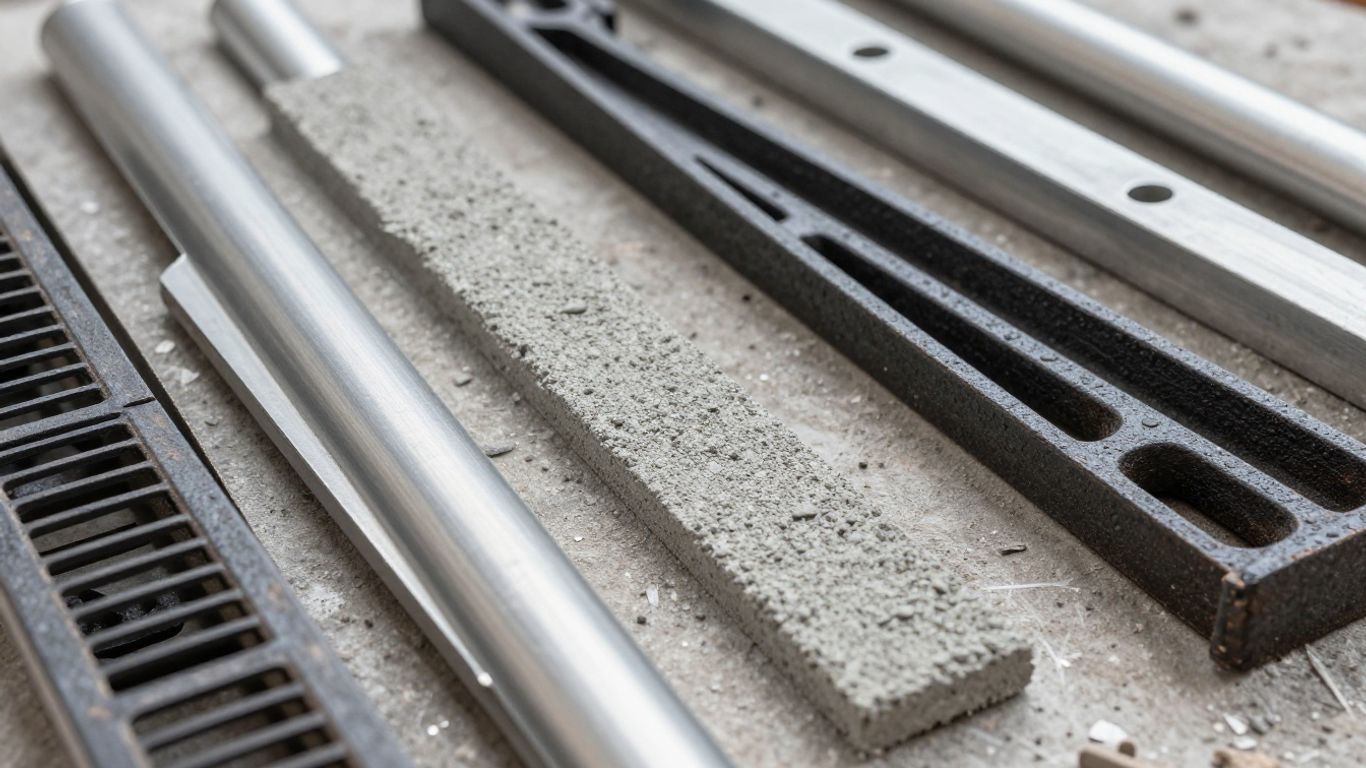
When you're picking out a channel drain, the material it's made from is a pretty big deal. It affects how long it'll last, what it can handle, and even how it looks. Let's break down the common options you'll run into.
Stainless steel is often the go-to for a reason. It's super tough and doesn't rust or corrode, which is a huge plus, especially if you're dealing with chemicals or just a lot of moisture. This makes it ideal for places like commercial kitchens, food processing plants, or anywhere hygiene is a top priority. It also has a really clean, modern look that many people like. While it might cost a bit more upfront, its durability means you probably won't have to replace it for a very long time. Think of it as a long-term investment in keeping your project dry and looking good.
Galvanized steel is basically steel that's been coated with a layer of zinc. This coating gives it a good amount of protection against rust, though not quite as much as stainless steel. It's a more budget-friendly choice and still does a solid job in many situations. You'll often see galvanized steel drains used in areas with moderate traffic and exposure to the elements. It's a practical option if you need decent protection without breaking the bank. Just be aware that if the zinc coating gets scratched or damaged, the steel underneath can start to rust over time.
Polymer concrete and plastic drains are becoming more popular, especially for certain applications. Polymer concrete is really strong and resistant to chemicals, making it a good fit for industrial settings. Plastic drains, on the other hand, are usually the most affordable option. They're lightweight and easy to install, and they work well for lighter-duty residential or commercial uses where extreme loads or harsh chemicals aren't a concern. A 3-inch Pro Series Channel Drain Kit from NDS, for example, uses polypropylene, which is a type of plastic known for its resilience. These materials offer a good balance of performance and cost, especially for projects where budget is a key factor. You can find a channel drain selector tool to help you figure out which material might be best for your specific needs.
Getting the slope right is probably the most important thing when you're putting in a channel drain. Seriously, if it's not sloped correctly, water's just going to sit there, and that's no good. You want a consistent drop from one end of the channel to the other, leading all the way to the outlet. A good rule of thumb is a minimum slope of 1% (that's about 1/8th of an inch per foot). For heavier flow areas, you might even want to go a bit steeper. It’s not just about getting water away, but getting it away efficiently.
Think about how the drain fits into the bigger picture. It’s not just a standalone thing. You need to make sure it connects smoothly with whatever's around it. This means lining it up right with walkways, driveways, or building edges. For instance, if you're putting one near a building, you want to make sure it's not going to cause water to back up against the foundation. It needs to work with the landscape, not against it. This also applies to connecting it to other drainage components, like pipes or collection boxes. Everything needs to be sealed up tight so water goes where you want it to and doesn't leak out where it shouldn't.
Look, I know DIY is tempting, and sometimes it works out fine. But with drainage systems, it's often worth bringing in the pros. They've got the experience to know exactly how much slope you need for your specific situation, what materials will hold up best, and how to connect everything so it lasts. They can spot potential problems before they even happen, like underground utilities or tricky soil conditions. Plus, getting it done right the first time can save you a ton of headaches and money down the road. It’s like anything important – doing it right from the start makes all the difference.
Proper installation is key to a channel drain system's performance. A well-installed system prevents flooding, protects structures, and lasts longer. Don't cut corners on this step; it's an investment in your property's future.
Here's a quick rundown of what to keep in mind:
Site Assessment: Always check the area for existing utilities and soil type before digging.
Material Compatibility: Ensure the drain materials are suitable for the expected traffic and any chemicals that might be present.
Connection Points: Pay close attention to how the drain connects to pipes and other drainage elements; leaks here are common problems.
Final Grading: After the drain is in, make sure the surrounding ground slopes slightly towards the drain to guide water effectively.
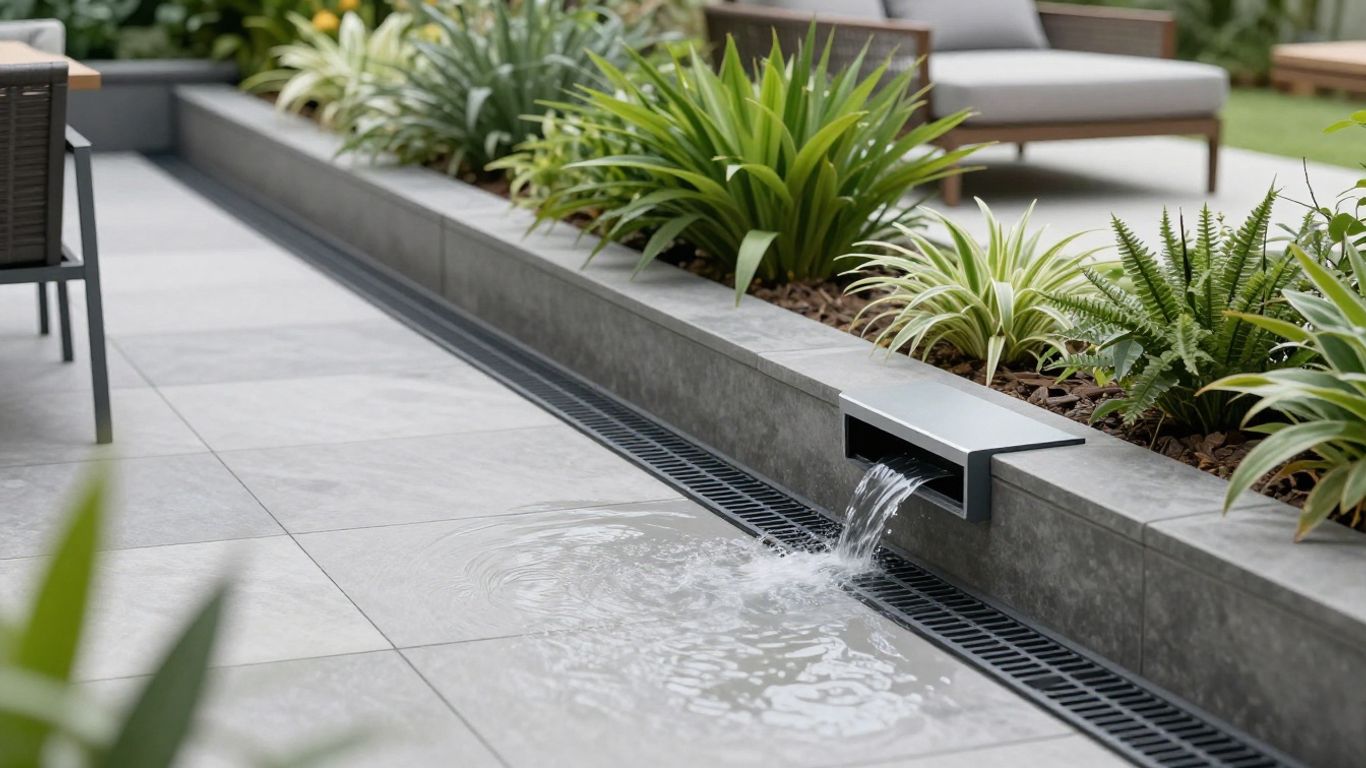
So, you're thinking about putting in a channel drain system? That's a smart move. These things aren't just about moving water; they actually do a lot to protect your property and the environment around it. Let's break down why they're such a good idea.
This is probably the most obvious benefit. When you get a heavy rain, water has to go somewhere. Without a good drainage system, that water can pool up, seep into foundations, and generally cause a big mess. Channel drains are designed to catch that surface water and guide it away before it can cause trouble.
They intercept water right where it lands, stopping it from accumulating on driveways, patios, or walkways.
Reduces the risk of water damage to building foundations, basements, and crawl spaces.
Protects landscaping and gardens from being waterlogged and damaged.
Minimizes the formation of ice patches in colder climates by removing standing water.
Think about it: a little bit of water might not seem like a big deal, but over time, constant moisture can really weaken structures and lead to costly repairs. A channel drain is like a proactive defense against that slow creep of water damage.
It's not just about keeping your property dry; these systems also help keep our waterways cleaner. When rain falls on paved surfaces, it picks up all sorts of gunk – oil drips from cars, dirt, debris, you name it. Channel drains can actually trap a lot of this stuff before it gets washed into storm drains and eventually into rivers and lakes.
Filters out pollutants like oil, grease, and sediment from surface runoff.
Reduces soil erosion by managing water flow, keeping soil in place.
Prevents contaminants from reaching local streams and aquatic habitats.
Water is sneaky. Even if you don't see obvious flooding, water getting under your pavement – like driveways, sidewalks, or patios – can cause it to break down over time. Freeze-thaw cycles are especially brutal. By keeping the area under your pavement drier, channel drains help your surfaces last a lot longer.
Prevents water saturation beneath pavement layers, which can lead to cracking and heaving.
Extends the lifespan of asphalt and concrete surfaces.
Reduces the need for frequent and expensive resurfacing or repair work.
Basically, installing a channel drain system is a solid investment. It saves you headaches from water damage, helps the environment, and keeps your paved areas looking good and holding up for years to come. It's a win-win-win.
Keeping your channel drain system in good shape isn't just about making it look nice; it's really important for making sure it works right and lasts a long time. Think of it like taking care of your car – regular check-ups and cleanings prevent bigger, more expensive problems down the road. If you let gunk and debris build up, you're asking for trouble, like clogs, slow drainage, and even damage to the system itself or the surrounding areas.
To keep your drains clear, you'll want a few basic items on hand. It's not rocket science, just some practical gear:
Scrapers and Brushes: Sturdy brushes, maybe with some stiff bristles, are great for scrubbing out grime. A flat scraper can help dislodge stubborn muck from the channel walls and bottom.
Hose with Good Pressure: A regular garden hose is usually fine, but one with a spray nozzle that can really blast water can help flush out loosened debris.
Bucket: For collecting all the gunk you scrape out. You don't want to just push it somewhere else.
Gloves: Protect your hands from whatever might be lurking in the drain.
Drain Snake or Auger (Optional): For deeper clogs that a brush can't reach, a drain snake can be a lifesaver.
How often you need to clean really depends on where your drains are and what kind of stuff they're dealing with. If you've got a lot of trees nearby dropping leaves, or if it's a high-traffic area where dirt gets tracked in, you'll probably need to clean more often. A good rule of thumb is to give them a quick check and clean at least twice a year, maybe in the spring and fall.
Here’s a basic rundown of what to do:
Remove the Grates: Carefully lift out the grate covers. Some might just lift off, while others might have screws holding them in place.
Clear Out Debris: Use your scraper and brush to remove any leaves, dirt, gravel, or other junk that's collected in the channel. Put it all in your bucket.
Scrub the Channel: Give the inside of the channel a good scrub to get rid of any slime or buildup.
Flush with Water: Use your hose to thoroughly rinse out the channel, making sure all the loosened debris goes down the drain.
Inspect the Grates: Clean the grates themselves. If they're clogged, water won't be able to get into the drain.
Reassemble: Put the clean grates back in place, making sure they're seated properly.
Debris buildup is the main enemy of any drainage system. Leaves, dirt, sand, and even small pebbles can all find their way into your channel drains. Over time, this stuff compacts and can create serious blockages. Rough surfaces, like those found in older cast iron drains, are particularly bad because they give debris more places to stick and grow grime. Modern systems, especially those made from smooth materials like stainless steel or polymer concrete, are much easier to keep clean. If you notice water isn't flowing as well as it used to, or if you see standing water near the drain, it's a clear sign that it's time for a more thorough cleaning or inspection.
Ignoring drain maintenance can lead to more than just slow drains. It can cause water to back up, potentially damaging your property, creating slip hazards, and even contributing to pest problems. Regular attention is a small price to pay for avoiding these headaches.
Here’s a quick look at how often you might need to clean based on the environment:
Location Type |
Recommended Cleaning Frequency |
|---|---|
Residential Yard |
2-4 times per year |
High-Traffic Patios |
4-6 times per year |
Pool Decks |
6-8 times per year |
Commercial Areas |
Monthly or as needed |
So, picking the right channel drain system might seem like a lot, but it's really about matching the drain to your project's needs. We've looked at how they work, why they're useful, and how different types fit different jobs. Whether you need something tough for a busy area or a more subtle option for a home, there's a drain out there. Getting the installation right is key, too, so don't skip that step. Making a good choice now means fewer headaches later and better water management for your space. It’s a smart move for your property and the environment.
Channel drains, sometimes called trench drains, are designed to catch water on surfaces and move it away. They work by using gravity. You place them where water tends to gather, like near buildings or on flat paths. The drain has a sloped channel that guides the water towards an outlet, preventing puddles and water damage. It's a simple but very effective way to manage water.
The slope is super important because it makes the water flow correctly. If the slope isn't right, water can sit in the channel, which is not good. A proper slope ensures that water moves smoothly to the drain's exit point, making the whole system work as it should and preventing water from backing up.
When choosing a drain, think about what you'll use it for. Will cars or heavy things drive over it? Will it be exposed to strong chemicals? Also, consider how much water it needs to handle. These factors will help you decide on the right type and material for your project to ensure it's strong and lasts a long time.
Yes, there are! Some drains, like slot drains, are made to look nice and blend in with the surroundings, perfect for patios or walkways. Others, like hexagonal drains, are built tough for areas with lots of traffic, like driveways. There are also special ones for doorways to stop water from coming inside.
Channel drains come in various materials. Stainless steel is strong, doesn't rust easily, and looks good, making it great for kitchens or outdoor areas. Galvanized steel is a more budget-friendly option. You can also find drains made from strong plastic or a material called polymer concrete, which are both durable and can handle different conditions.
While you can install a channel drain yourself, it's often best to hire a professional. They know exactly how to get the slope right and connect it properly with other parts of your property. Getting it installed the right way from the start can save you a lot of trouble and money later on, making sure your drain works perfectly for years.