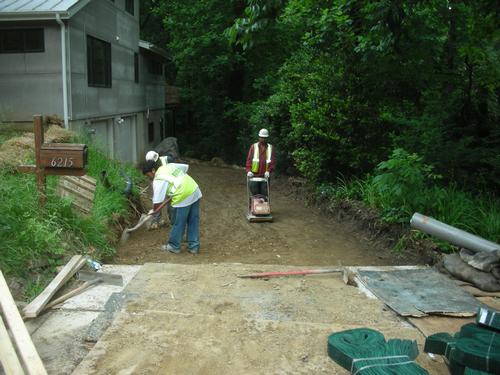
Skip to content
Free Shipping on All Orders


Cellular Confinement System

$256.45


FREE SHIPPING
SKU MMG-LSG-3

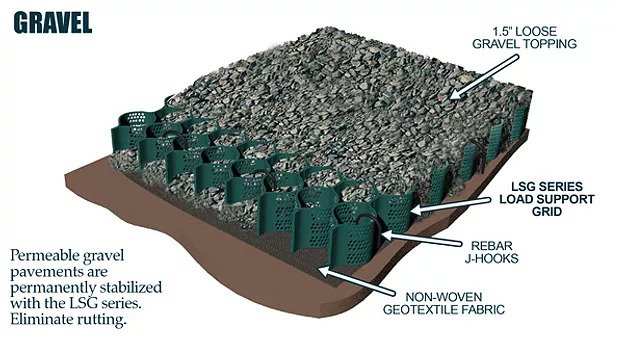
The cellular confinement system enhances pavement support by confining materials and preventing lateral movement under load. Acting as a stabilizer, the grid distributes the load across a wider area, increasing the pavement's load-bearing capacity. The LSG series eliminates the need for a gravel base due to the compaction within its cells. Simply place an approved geotextile under the grid before filling, reducing labor and material costs. A layer of non-woven geotextile fabric, like those recommended by DuPont, is required to prevent gravel from mixing with the ground, ensuring strength and drainage.

Available in 3", 4", and 6" depths.

FREE SHIPPING

Do you need a written quote? Submit a quote request > 

Volume Pricing Available on Orders Over $5,000 


FREE SHIPPING
     
 Require a written quote?
Request Online >

 Questions? Call (800) 748-5647

ADVANTAGES:

  • Heavy-Duty
  • Perforated Cell Design for Maximum Drainage
  • Reduces Mud
  • Provides Stability for Vehicular Traffic
  • Non-Leaching Material
  • HDPE Material with a 100 Year+ Lifespan
  • Buy American Act (BAA) compliant

APPLICATIONS INCLUDE:

Porous Pavements • Overflow Parking areas • Access Roads • Fire Access Lanes • Boat Ramps • Parking Lots • Golf Cart Paths • Roadside Shoulder Reinforcement • Driveways • Ports & Marinas • RV Parking • Trails & Pathways • Pavement Base Support • Permeable Paver Support

PRODUCT INFORMATION

Series: LSG
Brand: Cell-Tek
Size: 8' x 22.5' Grid
Cell Depth: Various

MUD MANAGEMENT GRID SHIPPING TIME

All Grids and Accessories Ship for Free (standard ground, see map)

Expedited shipping only available on orders over $2,000
Call: (800) 748-5647 for pricing and ship times

Shipping estimates shown on the map pertain to this specific product only. Grid orders typically ship same day if the order is placed before 12:00 noon CST. Transit times displayed in the map are listed in business days, and are approximate. The day that the order is shipped is not counted as a transit day.

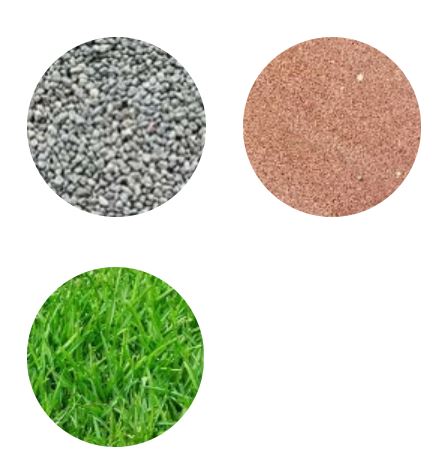
Fill With Gravel, Sand, Dirt or Grass

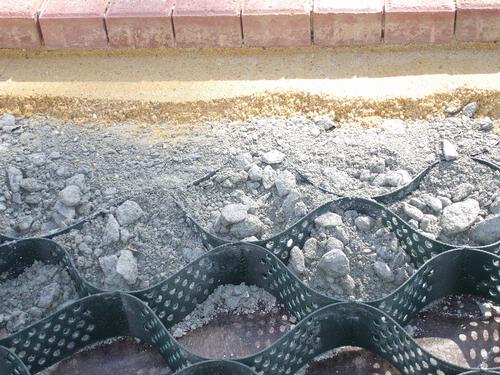
The LSG series grid can be filled with a variety of different infill types. You can build a reinforced grass driveway, strong gravel surface or a dirt area which is resistant to erosion. The possibilities are endless!

Capture.JPG__PID:458fabe2-72d2-49ef-a291-3e74a6fc493d
Capture.JPG__PID:08d3cb51-fd26-4501-b594-82bace21065d

No Gravel Base Required!

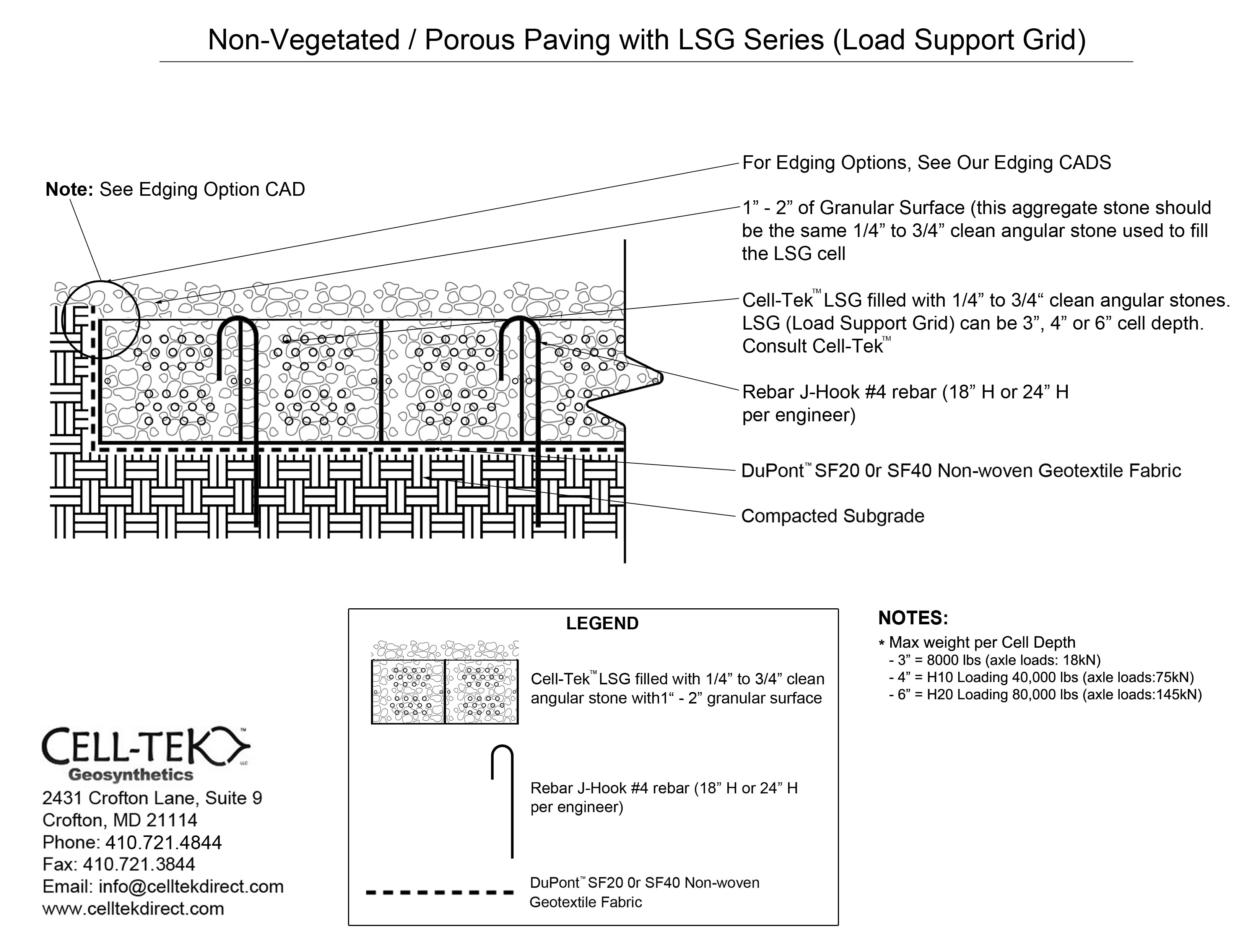
The LSG series does not require a gravel base. This is due to both the depth and amount of compaction which takes place within the confined cells. Simply lay an approved geotextile below the grid and fill. The result is a savings in both labor and material cost.

Fabric for Beneath LSG Geocell Grid (Required)

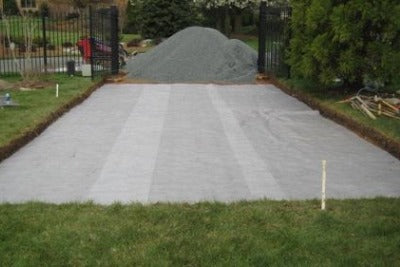
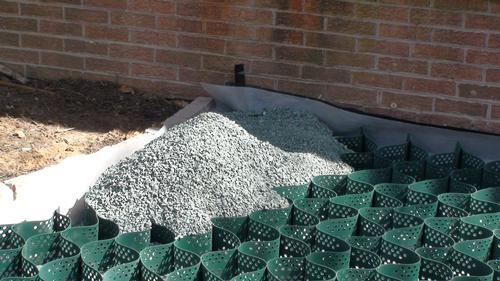
It is required that a layer of geotextile fabric is placed below the LSG grid to prevent the gravel from absorbing into the ground. The recommended DuPont fabrics are non-woven geotextiles which provides strength and excellent drainage.

View Fabric Options & Other LSG Accessories >

A06BDCE1-3048-71C2-17752713DFCB17A0.jpg__PID:720faf88-028b-4eb5-a2fd-62ecfc68ed18

LSG SERIES LOAD SUPPORT GRID geocells provide superior support to your pavement system. The system confines materials and prevents lateral movement away from the applied load. The stabilizer grid acts as a large mat, by spreading the load over an extended area while increasing the load bearing capacity of the pavement surface.

APPLICATIONS INCLUDE:

  • Porous Pavements
  • Overflow Parking Areas
  • Access Roads
  • Fire Access Lanes
  • Boat Ramps
  • Parking Lots
  • Golf Cart Paths
  • Roadside Shoulder Reinforcement
  • Driveways
  • Ports & Marinas
  • RV Parking
  • Trails & Pathways
  • Pavement Base Support
  • Permeable Paver Support

BENEFITS:

  • Reduce Base Thickness up to 50%
  • Reduce Subgrade Stress
  • Reduce Installation Cost

ENVIRONMENTAL BENEFITS:

  • Reduce Stormwater Runoff
  • Natural Recharging of Groundwater
  • Capture Airborne Pollutants
  • Safely Distributes Car Oil Leakage
  • Reduce Hot Surface Temperatures

STORMWATER STORAGE:

LSG-6 (6 inch cell depth) infilled with#57 stone with a 1" wearing layer canprovide 2.8" of rainwater storage.

EARN LEED BUILDING CREDITS:

  • Reduced Site Disturbance - Heat Island Effect
  • Recycled Material Content - Stormwater Management
lsg-gravel.jpg__PID:aafe41bf-cb53-4bbc-b997-dc7e14184c66

Gravel

AGGREGATE PAVING
(NON-VEGETATED)

  • ACCESS ROADS
  • GRAVEL PARKING LOTS
  • PORTS & MARINAS
  • BOAT RAMPS
  • FIRE ACCESS LANES
  • RV PARKING
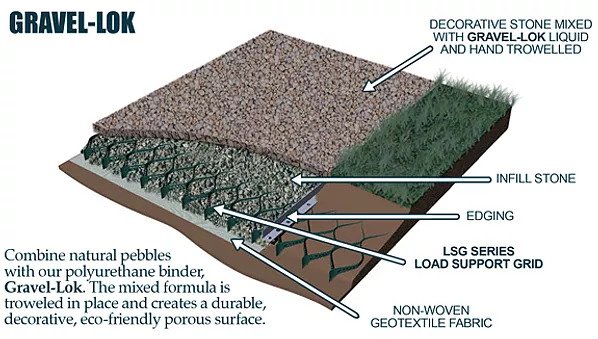
lsg-gravel-lok.jpg__PID:41bfcb53-3bbc-4997-9c7e-14184c660efd

Gravel-Lok

BONDED AGGREGATE SURFACE

  • WALKWAYS & PATHS
  • PATIOS & COURTYARDS
  • GOLF COURSES
  • TREE PITS
  • HISTORICAL SITES
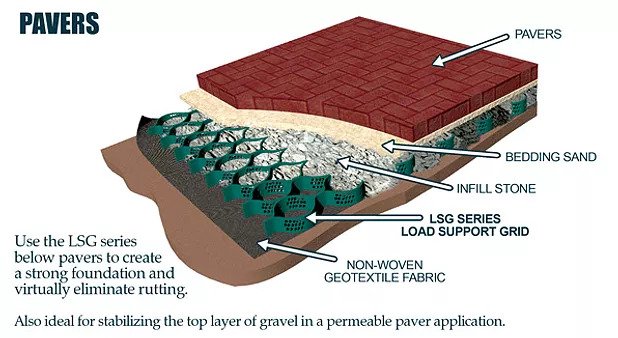
lsg-pavers.jpg__PID:cb533bbc-7997-4c7e-9418-4c660efdbf48

PAVERS

PAVER LOAD SUPPORT

  • PAVER BASE SUPPORT
  • DRIVEWAY BASE SUPPORT
  • RETAINING WALL SUPPORT
  • BASE REDUCTION SYSTEM
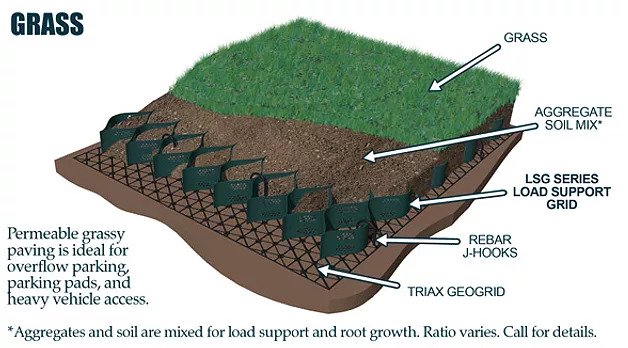
lsg-grass.jpg__PID:fe41bfcb-533b-4c79-97dc-7e14184c660e

GRASS

GREEN PAVING (VEGETATED / TURF)

  • OVERFLOW PARKING
  • GREEN PARKING SPACES
  • GREEN ROOFS
  • VEGETATED GROUND COVER

Installation Video:
Gravel Driveway

Learn how to install the LSG Series Grid in a gravel driveway application

Installation Video:
Grass Reinforcement

Learn how to install the LSG Series Grid in a grass reinforcement application

Installation Video:
Connecting Grids

Learn how to connect the LSG Series Grids together

Installation Video:
Load Support for Paver Driveway

Learn how to install the LSG Series Grids in a load support application

Load Support

Geocellular Confinement takes infill materials and produces a stiff base by creating a semi-rigid slab. The system prevents the lateral displacement of infill materials which eliminates rutting and washboarding usually associated with gravel pavements. The system allows for a reduction in overall base thickness, as well as enabling subgrade materials to withstand more than 10 times the number of cyclic load applications, without the appearance of deflection when compared to unconfined aggregates. GCS allows for the use of lower quality infill materials in situations where quality aggregates are not readily available and helps to create pavements on soft soil subgrades. When it comes to load support in porous paving applications, Cell-Tek's LSG SERIES delivers the competitive advantage.

Capture.JPG__PID:70d1d4c7-186e-42ff-b827-aff0d90d1d2d

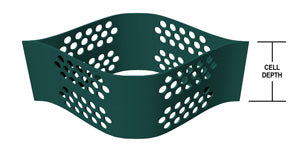
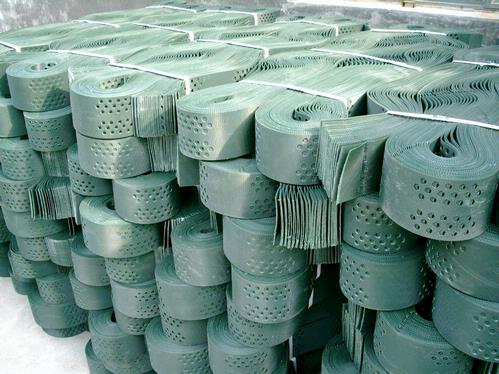
Single Cell

sg_section (2).jpg__PID:46ecce0f-ac7c-4ab6-95eb-0875124efcbe

Expanded Grid 8' x 22.5' (180 SF)

sg_expanded_drawing (1).jpg__PID:ce0fac7c-0ab6-45eb-8875-124efcbe8054

Collapsed Grid

sg_collapsed (1).jpg__PID:ac7c0ab6-55eb-4875-924e-fcbe8054e2b3
E7E2C2D3-5056-9F3E-72F290EA69C6BF5F.jpg__PID:0e42fff0-9cdb-42b0-a8b0-65799ff46a8d
1E9F34CE-5056-9F3E-72705C4D814BDB0C.jpg__PID:57e675b2-2bb5-44c1-9d62-cc7bc0574073
E7587DFD-5056-9F3E-7218205F8DA4887A.jpg__PID:db82b028-b065-499f-b46a-8d7ebf48130d
E799CCB3-5056-9F3E-727DA21DE8BC72F7.jpg__PID:9cdb82b0-28b0-4579-9ff4-6a8d7ebf4813
E76BDA67-5056-9F3E-7203D6966D873B61.jpg__PID:f09cdb82-b028-4065-b99f-f46a8d7ebf48
E73CCC9F-5056-9F3E-72AEF843340F105D.jpg__PID:fff09cdb-82b0-48b0-a579-9ff46a8d7ebf
E7EC10AC-5056-9F3E-72F9F94F20700ECF.jpg__PID:42fff09c-db82-4028-b065-799ff46a8d7e
E7DA33CB-5056-9F3E-720A3E30C77A4CDC.jpg__PID:1d0e42ff-f09c-4b82-b028-b065799ff46a
E7E2C2D3-5056-9F3E-72F290EA69C6BF5F.jpg__PID:0e42fff0-9cdb-42b0-a8b0-65799ff46a8d
E7D1CDFE-5056-9F3E-72072D4F0D6F9BAE.jpg__PID:9b1d0e42-fff0-4cdb-82b0-28b065799ff4
E7C89D7F-5056-9F3E-7265065A885370F8.jpg__PID:4f9b1d0e-42ff-409c-9b82-b028b065799f
E7B19AF0-5056-9F3E-7249595B82D9B8FB.jpg__PID:794f9b1d-0e42-4ff0-9cdb-82b028b06579
E7A158C3-5056-9F3E-7217EFF223850A25.jpg__PID:73794f9b-1d0e-42ff-b09c-db82b028b065
E7A98E7C-5056-9F3E-72724DBB46C09A4A.jpg__PID:4073794f-9b1d-4e42-bff0-9cdb82b028b0
CD6FE160-3048-71C2-1797F462067BCA39.jpg__PID:57407379-4f9b-4d0e-82ff-f09cdb82b028
C9C10399-3048-71C2-1785531901E507D9.jpg__PID:c0574073-794f-4b1d-8e42-fff09cdb82b0
C9BF9A35-3048-71C2-17283921A062729E.jpg__PID:7bc05740-7379-4f9b-9d0e-42fff09cdb82
1510718B-3048-71C2-17E4C3155FA502AB.jpg__PID:cc7bc057-4073-494f-9b1d-0e42fff09cdb
1519BEB5-3048-71C2-176D7D2D72A5C28D.jpg__PID:62cc7bc0-5740-4379-8f9b-1d0e42fff09c
1514FB49-3048-71C2-172429D891CB0712.jpg__PID:1d62cc7b-c057-4073-b94f-9b1d0e42fff0
150D202E-3048-71C2-178D501C0150D29F.jpg__PID:c11d62cc-7bc0-4740-b379-4f9b1d0e42ff
PRODUCT LSG-3 LSG-4 LSG-6
TYPE OF TRAFFIC Cars &
Pickup Trucks
Maintenance
Trucks
Heavy Trucks &
Fire Access
LOAD DETAILS 8000 lb.
Axle Loads: 18kN
H10 Loading
40,000 lb.

Axle Loads: 75kN
H20 Loading
80,000 lb.

Axle Loads: 145kN
SUBGRADE CBR >3% CBR
Normal Hard Surface
>3% CBR
Normal Hard Surface
>3% CBR
Normal Hard Surface
SURFACE WEAR LAYER (overfill) 2" 2" 2"
TOTAL SYSTEM THICKNESS 5" 6" 8"
GEOTEXTILE (filtration & separation) YES
Nonwoven
YES
Nonwoven
YES
Nonwoven
EQUIVALENCY TO UNCONFINED GRAVEL 12" - 14" 16" - 20" 24" - 30"
WATER STORAGE 2" 2.4" 3.2"


PRODUCT CELL DEPTH
LSG-3 3" (75mm)
LSG-4 4" (100mm)
LSG-6 6" (150mm)

Expanded Grid Dimensions 8' X 22.5' (215SF)
Nominal Cell Dimensions 9.9" x 9.9" x Cell Depth

PROPERTIES TEST METHOD TEST VALUE
Material Composition ASTM D1505 Polymer; virgin HDPE Density: 0.9574g/cm3
Normal Sheet Thickness ASTM D5199 1.33mm
Environmental Stress Cracking ASTM D1693 3500 Hrs.
Stabilizer ASTM E682 Hindered amine light stabilizer (HALS) 1.0% by weight
Short Term Seam Peel Strength 3" (75mm)
4" (100mm)
6" (150mm)
1065N
1542N
2170N
Long Term Seam Peel Strength A 100mm (4 inch) wide section sample shall support a (160 lb.) load for a period of 7 days (168 hrs.) minimum in a temperature controlled environment undergoing a temperature change on a 1 hour cycle from ambient room temperature to (130F)

SPECIFICATIONS LSG-3 LSG-4 LSG-6
Weight Per Grid 37.5 Lbs. 50 Lbs. 75 Lbs.
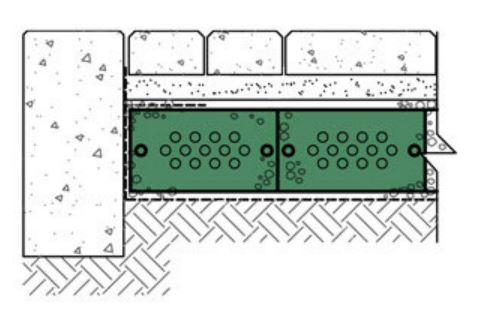
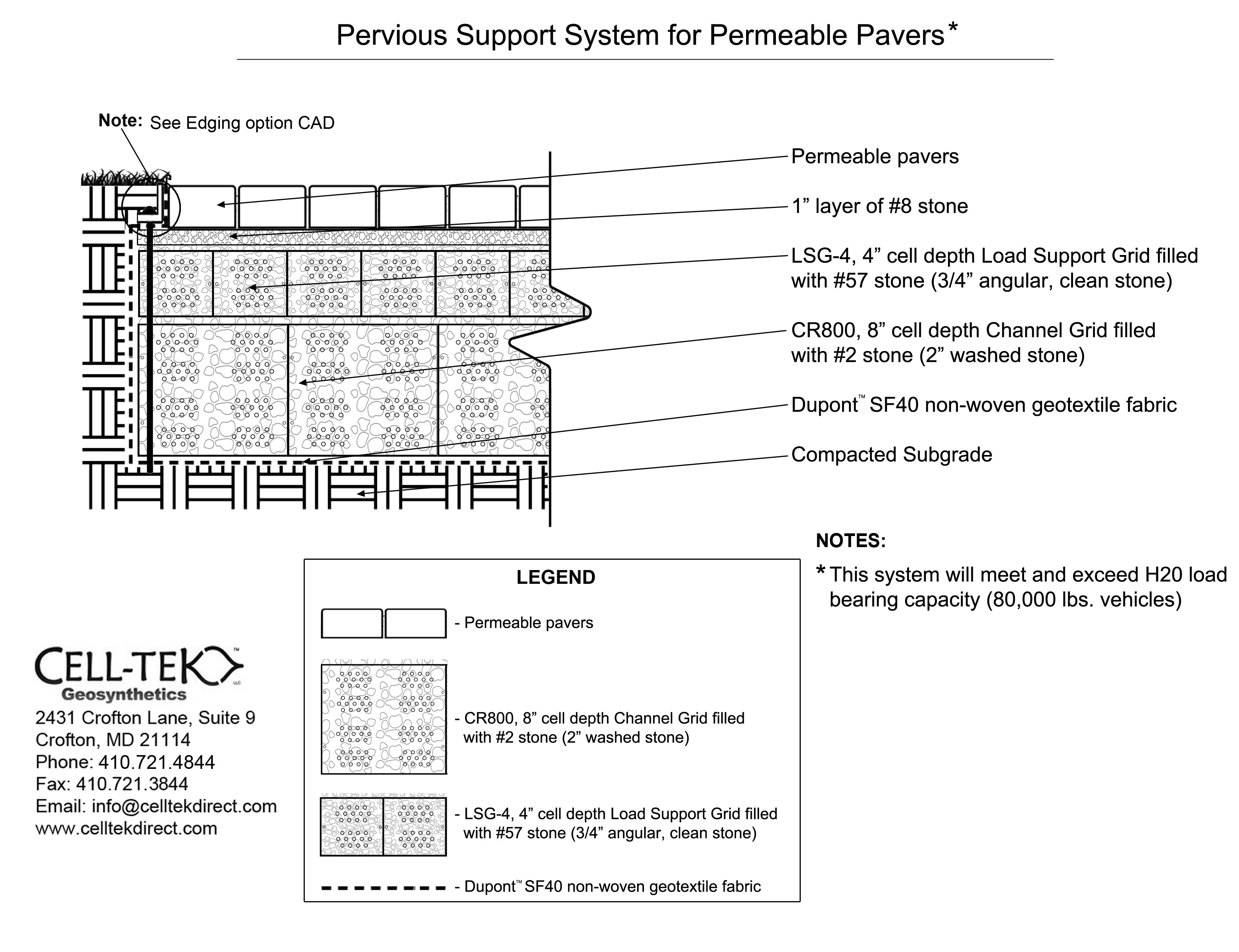
CAD_pervioussupport_permeablepavers.jpg__PID:2e986706-5adb-4ccd-8c73-0ea4137977b2

PERVIOUS SUPPORT SYSTEMFOR PERMEABLE PAVERS

LSG_nonvegetated_porous.jpg__PID:9867065a-dbbc-4dcc-b30e-a4137977b2ba

NON-VEGETATED POROUS PAVER 

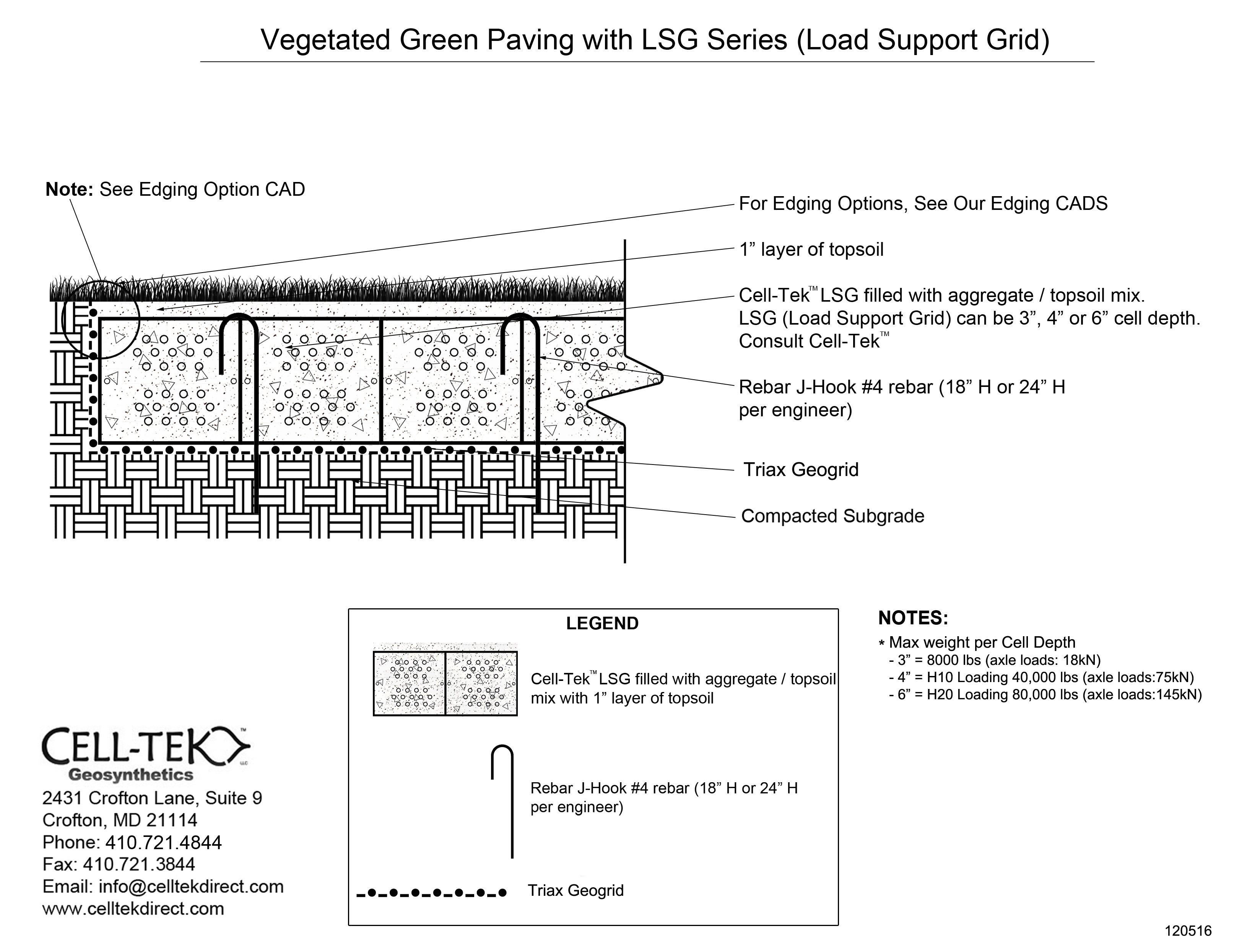
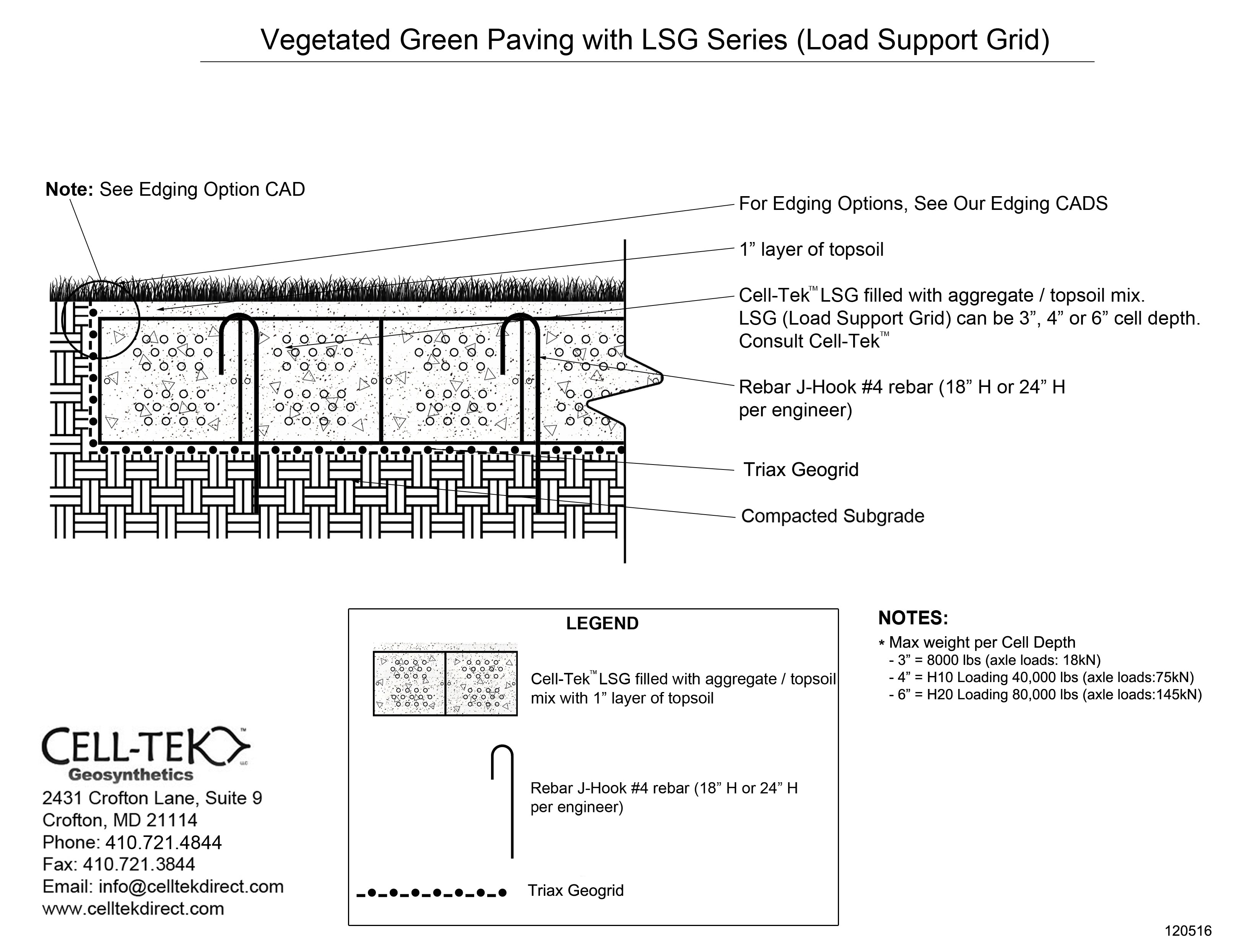
LSG_vegetated_green.jpg__PID:67065adb-bccd-4c73-8ea4-137977b2ba70

VEGETATED GREEN PAVING 

CAD_porouspaver_lsg.jpg__PID:7a2e9867-065a-4bbc-8dcc-730ea4137977

POROUS PAVER 

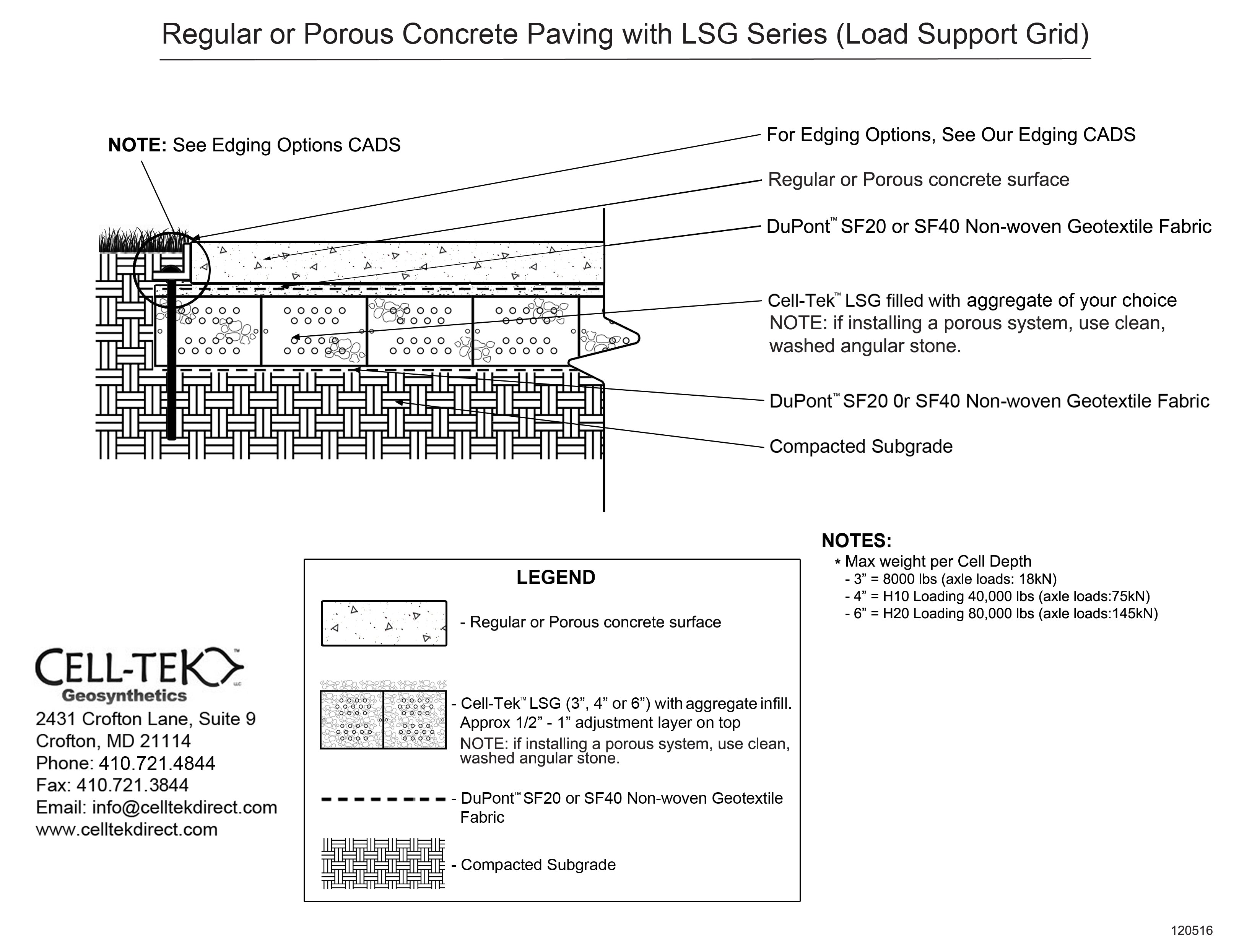
LSGseries_concretepaver.jpg__PID:1e7a2e98-6706-4adb-bccd-cc730ea41379

REGULAR OR POROUS CONCRETE PAVING

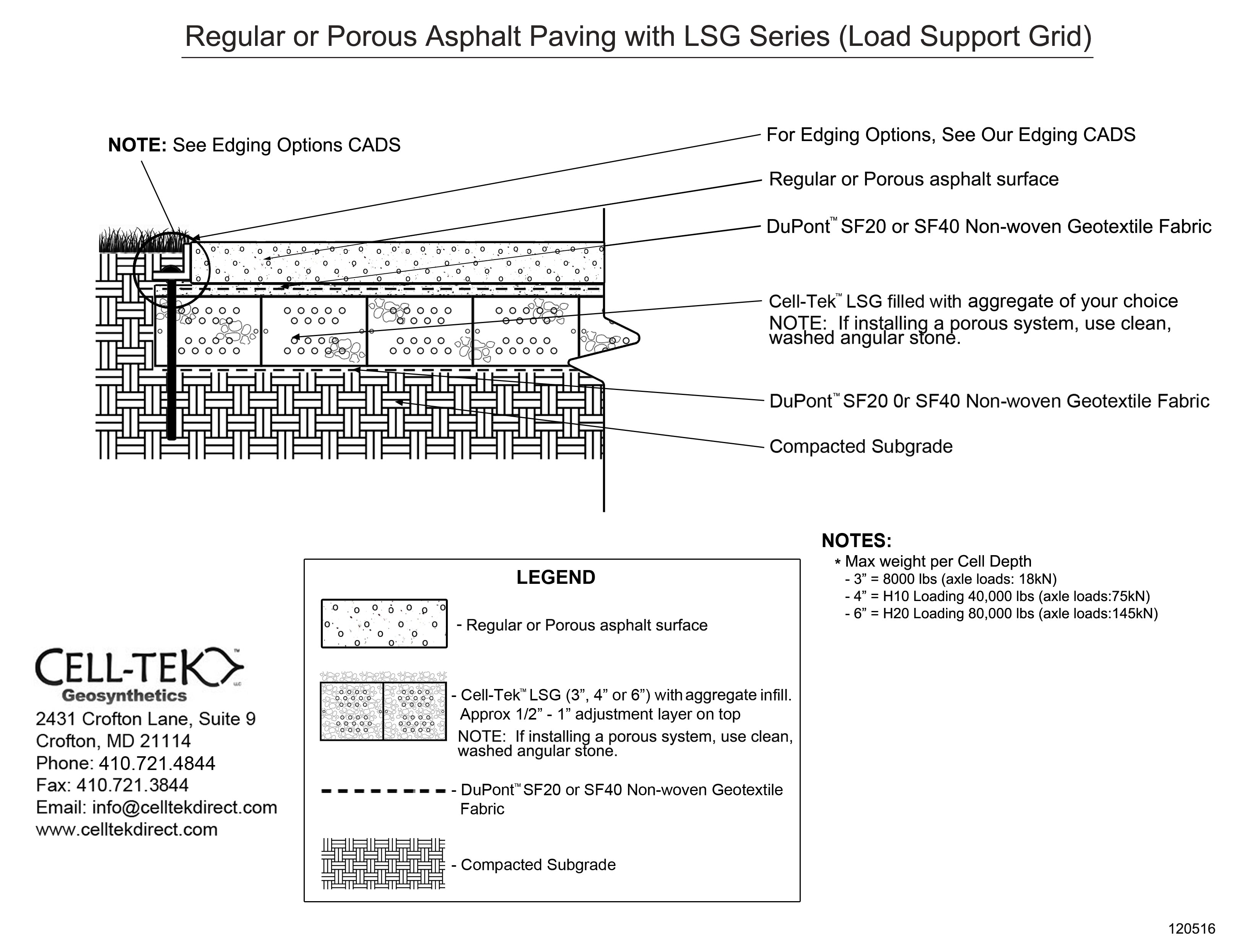
LSGseries_asphaltpaver.jpg__PID:c51e7a2e-9867-465a-9bbc-cdcc730ea413

REGULAR OR POROUS ASPHALT PAVING

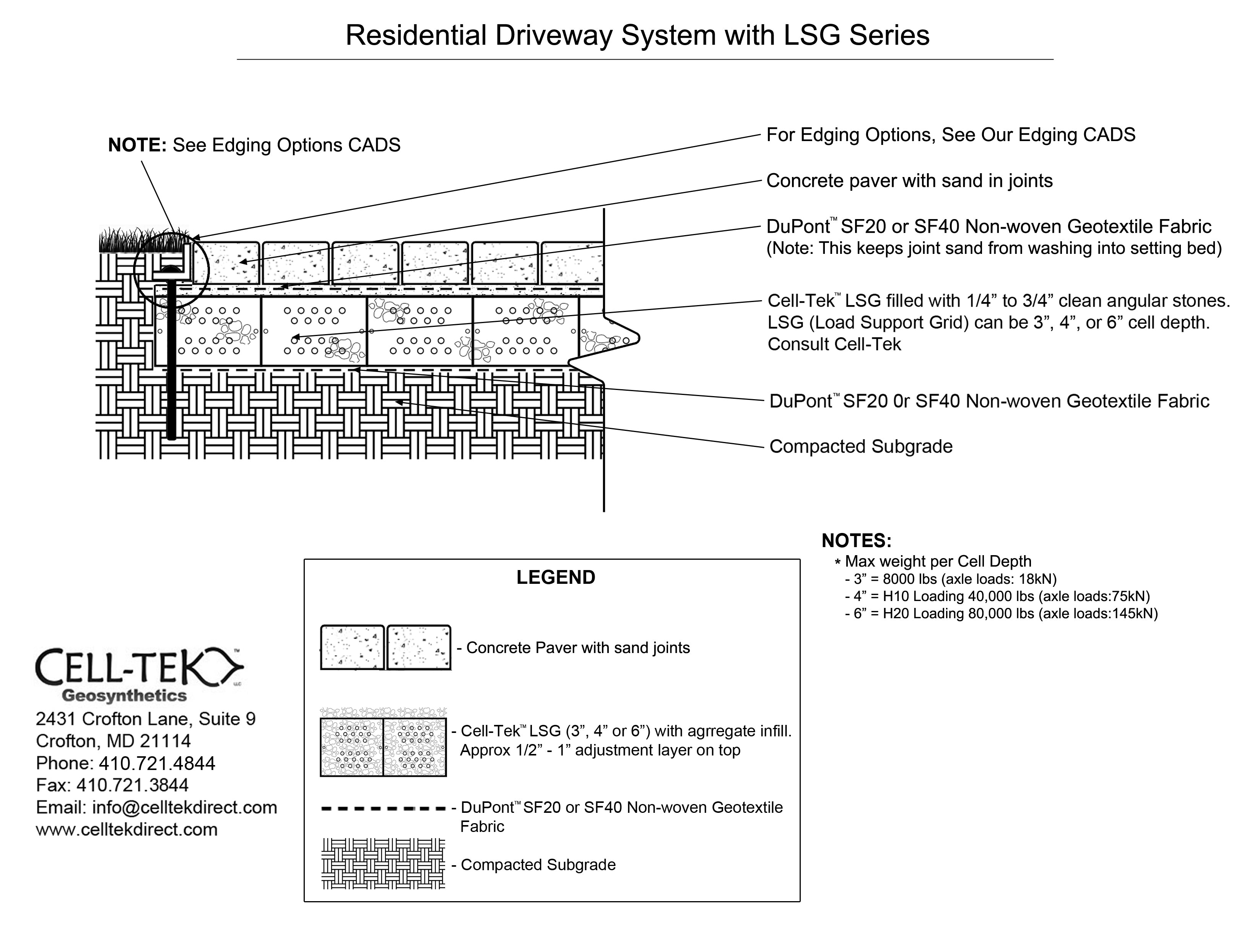
CAD_residentialdriveway.jpg__PID:b1c51e7a-2e98-4706-9adb-bccdcc730ea4

RESIDENTIAL DRIVEWAY SYSTEM

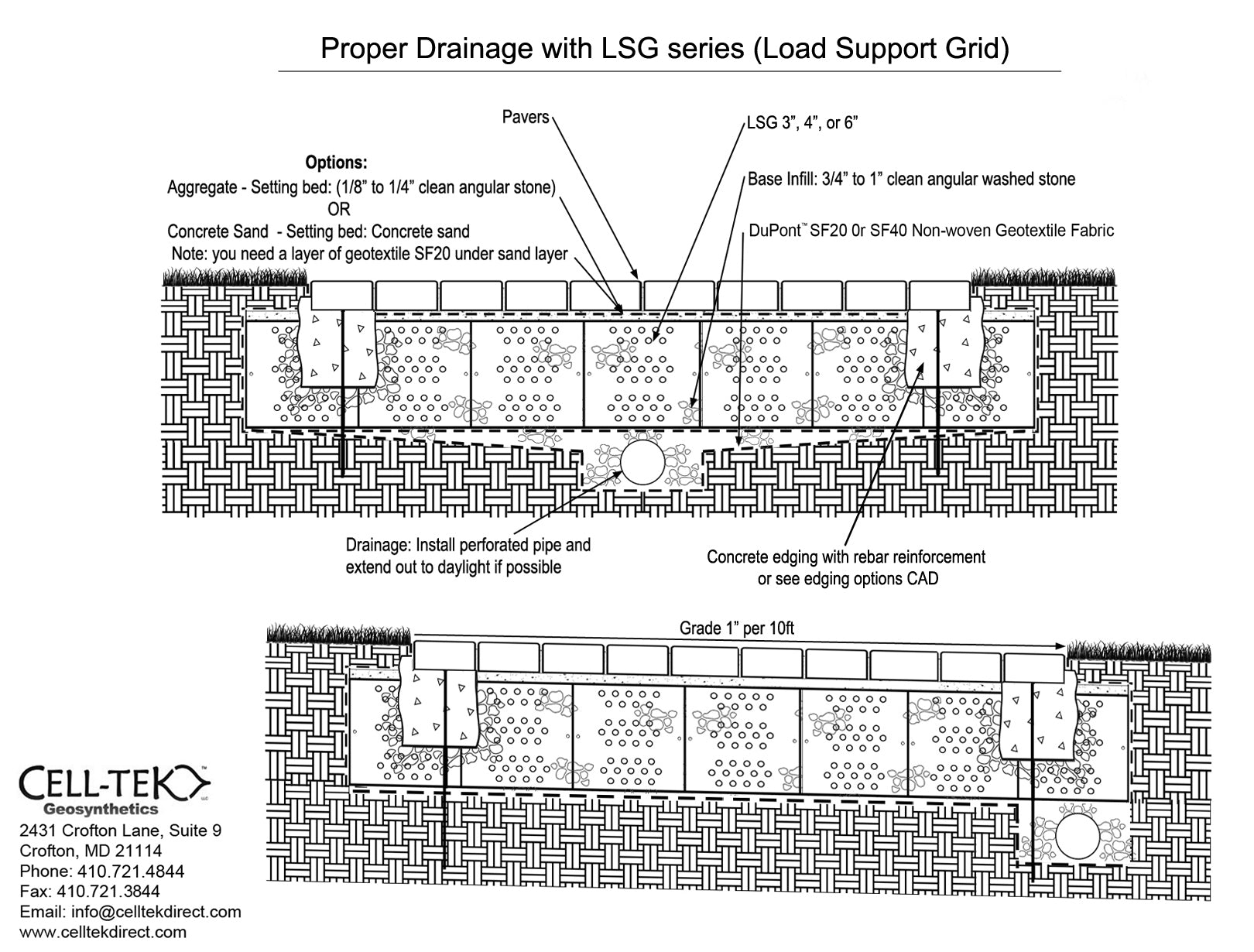
CAD_Properdrainage.jpg__PID:81b1c51e-7a2e-4867-865a-dbbccdcc730e

PROPER DRAINAGE

LSG_vegetated_green.jpg__PID:67065adb-bccd-4c73-8ea4-137977b2ba70

VEGETATED GREEN PAVING

Mud Management Grid Accessories:

18
18

18" Rebar J-Hooks

$4.10
Dupont SF-40 Geotextile Fabric
installation of dupont gravel fabric

DuPont Geotextile Fabric - SF-20 - (4' x 300')

$375.30
Heavy-Duty Stapler
Heavy-Duty Stapler

Heavy-Duty Stapler

$65.91
Geocell Grid Staples

Geocell Grid Staples

$30.18
Soil Stabilization & Load Support Guide

Cellular Confinement System (Geocell): What It Is, Where It Works, and How to Install It Correctly

A cellular confinement system—often called geocell—is a 3D grid of interconnected cells that expands on-site and gets filled with gravel or soil. The cells “lock” the infill in place, reducing lateral movement under load. In plain terms: it turns loose gravel or soil into a more stable, load-bearing surface.

Example product snapshot (used in this guide)
  • Series / depth options: LSG-3 (3"), LSG-4 (4"), LSG-6 (6")
  • Expanded panel size: 8' × 22.5' (215 sq ft)
  • Nominal cell size: 9.9" × 9.9" × cell depth
  • Typical install note: place an approved geotextile under the grid before filling
Common applications
  • Gravel driveways, access roads, and equipment pads
  • Overflow parking and grass parking stabilization
  • Slope protection and erosion control (soil + seed infill)
  • Base stabilization where weak subgrade causes rutting
Load distribution Rut reduction Infill confinement Contractor friendly

What a Cellular Confinement System Is (and Why It Works)

Think of geocell like a honeycomb “mattress” that you fill. Once filled and compacted, each cell becomes a tiny containment box that resists sideways spreading. That confinement increases stiffness and helps loads spread across a wider area, which is especially useful on soft subgrade.

Confinement Cells hold gravel/soil in place so it can’t easily push outward under tires.
Load distribution The grid spreads point loads, reducing stress on weak subgrade.
Reduced base demand In some designs, confinement can reduce how much aggregate is needed for performance.
Erosion resistance Soil infill can be stabilized for slopes and channels when combined with vegetation.

How It Improves Load Support: Confinement + Distribution

Unconfined gravel behaves like marbles: it shifts, ruts, and migrates under traffic. With geocell, the infill is mechanically locked in place and the panel behaves more like a unified layer. In plain terms: fewer ruts, less washboarding, and a surface that “holds together.”

  • Less lateral spread: the grid reduces gravel push-out at turns, brakes, and slopes.
  • Better compaction: infill compacts inside each cell, increasing stability.
  • Longer life: stabilized layers typically need fewer top-offs and less frequent regrading.
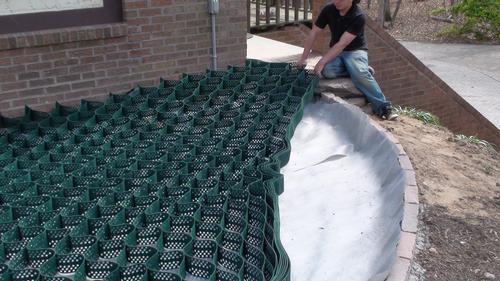
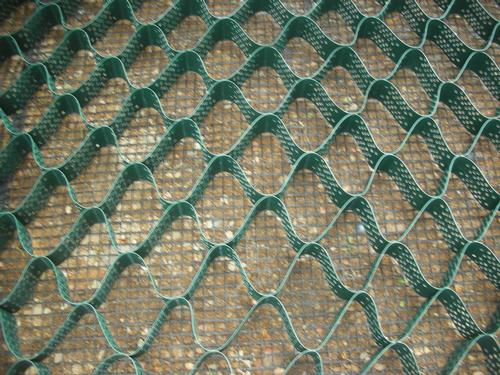
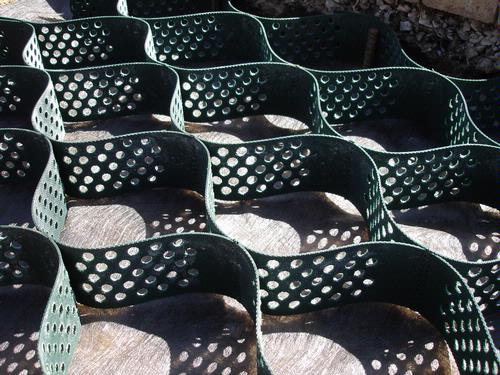
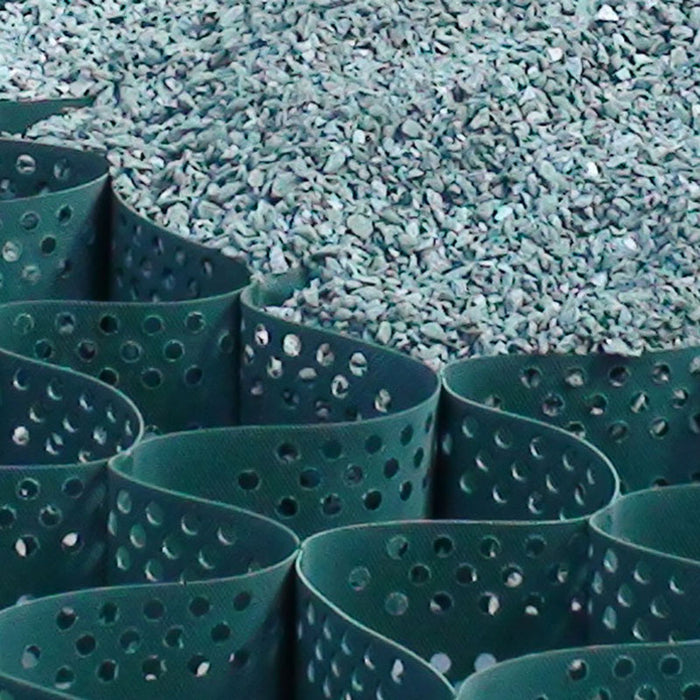
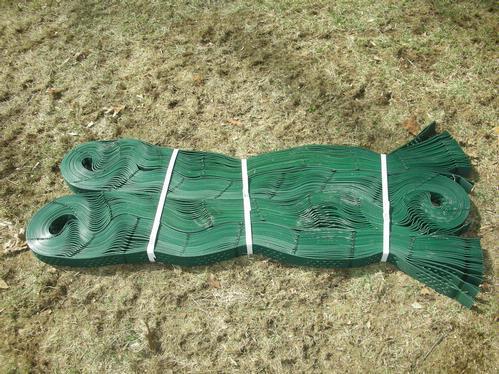
Unfilled cellular confinement system geocell expanded and ready for installation
Photo 1: Cellular confinement system expanded (unfilled) before infill

Practical example: why “unfilled” setup matters

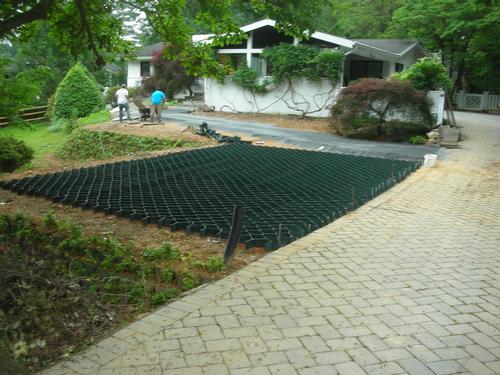
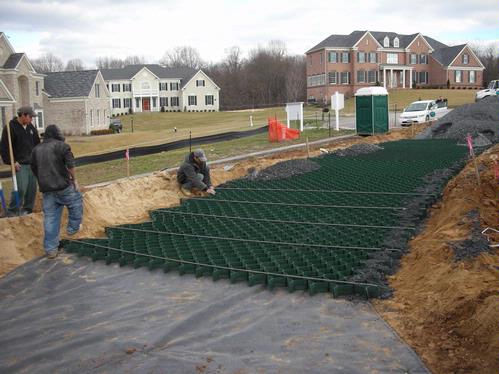
Most installation issues start before the first shovel of gravel goes in: panels not fully expanded, cells twisted, or the grid drifting out of square. Taking a few minutes to align the panel, tension it evenly, and set anchors/connection points makes the fill and compaction step faster—and keeps the finished surface flatter.

Tip: plan where your seams land so they don’t fall exactly in the wheel path of a frequent turning point.


How to Choose Cell Depth and Infill Type

Cell depth is one of the biggest performance levers. Deeper cells generally create a thicker confined layer, which can improve stability in heavier-use areas. Your infill choice determines how the surface behaves day-to-day.

Cell depth selection (simple rule set)

  • 3" depth: light-duty pedestrian areas, patios, and lower-load decorative gravel zones.
  • 4" depth: common for driveways, access lanes, and moderate traffic stabilization.
  • 6" depth: heavier-duty use, weaker subgrade conditions, or where rut resistance is critical.

Infill options

  • Gravel/aggregate infill: best for driveways, equipment access, and high-use lanes.
  • Soil + seed infill: best for grass parking, slopes, and erosion control where you want a vegetated finish.
  • Hybrid: aggregate base with a soil cap for a green finish (common in grass parking).

Design Basics: Subgrade, Base, Slope, and Edge Restraint

Geocell improves performance, but it doesn’t replace the fundamentals. Your best results come from a stable subgrade, good drainage, and a way to keep the edges from unraveling over time.

1) Subgrade prep

  • Remove organics (topsoil, roots, soft muck) where practical.
  • Grade to drain—avoid creating a “bathtub” that traps water.
  • Compact subgrade where possible to reduce settlement.

2) Underlayment geotextile (often recommended)

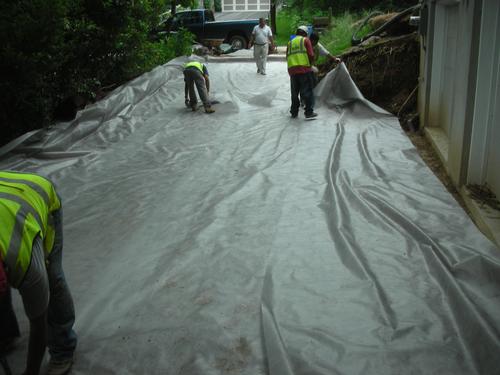
A separation fabric under the geocell can help prevent subgrade pumping (mud working up into aggregate) and keep the system cleaner over time.

3) Edge restraint

For driveways and high-use areas, edge restraint (edging, curbs, timbers, or a buried perimeter) helps keep the confined layer from migrating.


Step-by-Step Installation

Tools & materials checklist
  • Cellular confinement panels + connection hardware (if applicable)
  • Approved geotextile underlayment (as specified/needed)
  • Infill: washed aggregate and/or soil/topsoil + seed
  • Anchors/staples/rebar stakes (project dependent)
  • Rakes, shovels, skid steer (optional), compactor/roller
  • Edge restraint materials (if required)

Installation for gravel-filled load support (driveways, access roads)

  1. Prep & grade: excavate to finished depth, shape the subgrade, and compact.
  2. Place geotextile: overlap seams and keep it smooth (no wrinkles).
  3. Expand panels: pull the grid to full size, align it square, and connect adjoining panels.
  4. Anchor: stake corners/edges so the grid won’t shift while filling.
  5. Fill with aggregate: spread evenly so cells fill completely (avoid pushing the grid out of alignment).
  6. Compact: compact the infill to lock it into the cells.
  7. Finish course: add a light top layer if desired for aesthetics and smoother ride, then final compact.
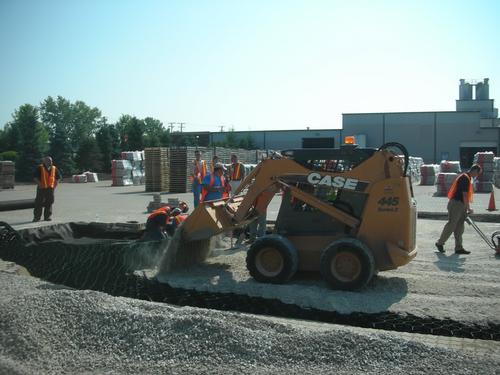
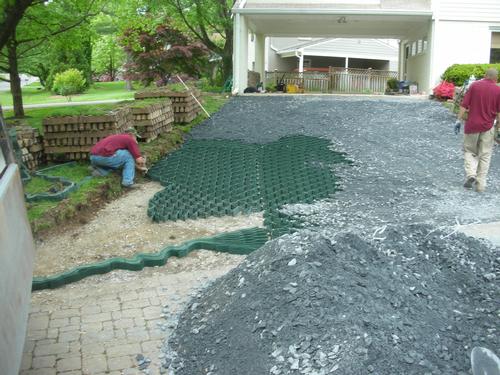
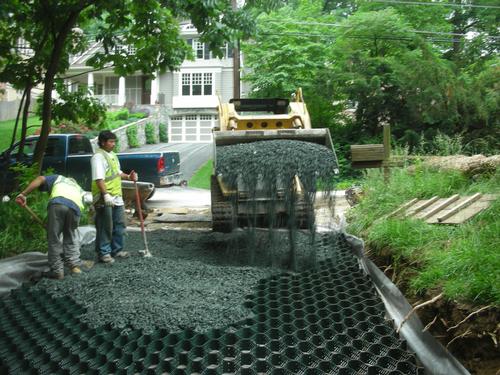
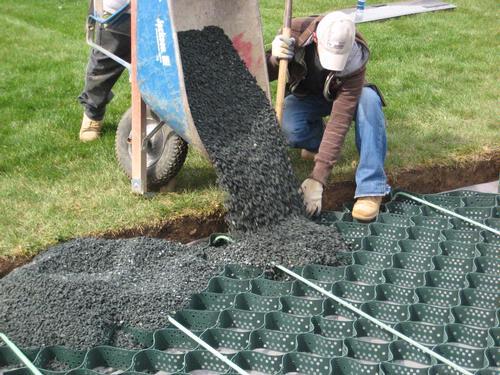
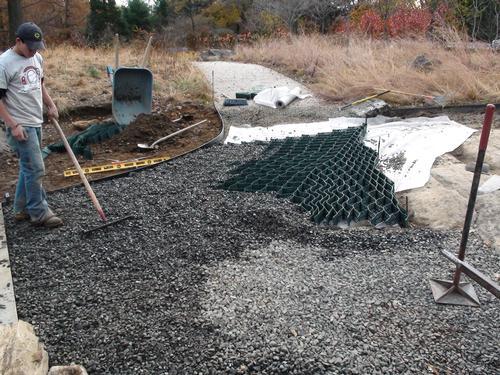
Filling a cellular confinement system with gravel aggregate for driveway and road stabilization
Photo 2: Filling the cellular confinement system with gravel infill

Pro tip: fill in thin lifts to keep panels aligned

If you dump a heavy pile on one spot and push it around, the grid can “walk” and distort. Instead, place aggregate in thinner lifts and spread it across the panel evenly. Once the cells are mostly filled, final grading and compaction becomes much easier.

Installation for soil-filled stabilization (slopes, grass parking)

  1. Prep & grade: create a smooth subgrade that drains.
  2. Underlayment: add geotextile if specified or if soils are soft.
  3. Expand & anchor: tension the panels and anchor more frequently on slopes.
  4. Fill with soil: place soil/topsoil so cells are fully filled.
  5. Seed & stabilize: seed per plan; consider erosion control blanket on steep slopes as needed.
  6. Water & establish: maintain moisture until vegetation roots through the cells.

Common Mistakes That Lead to Rutting, Migration, or Washouts

Mistake #1: Skipping drainage planning

If water is trapped in the section, the subgrade weakens and rutting follows. Build for positive drainage and a clear discharge path.

Mistake #2: No separation layer on soft subgrade

Without geotextile separation, fines can pump up into aggregate and clog the structure. A separation fabric is a common reliability upgrade.

Mistake #3: Poor anchoring and misaligned panels

If the grid shifts while filling, cells distort and you lose uniform confinement. Square it up, tension it, and anchor before heavy fill.

Mistake #4: Incomplete cell fill or no compaction

Cells must be fully filled and compacted so the infill locks into place. Underfilled cells can collapse or settle unevenly.


Case Study: Stabilized Access Lane That Stopped Rutting

Project type: Service access lane behind a commercial building
Problem: recurring ruts and gravel migration after rain + delivery traffic
Goal: create a stable, low-maintenance gravel surface without constant regrading

System used

  • Cellular confinement panels installed over a separation geotextile layer.
  • Gravel infill placed evenly and compacted to lock the surface.
  • Edge control at key turns to reduce push-out from braking and steering.

What made it successful

  1. Confinement at the wheel path: reduced lateral gravel movement and washboarding.
  2. Cleaner section over time: separation limited fines migration into the gravel.
  3. Compaction discipline: fully filled cells + compaction produced a unified layer.

Outcome

The lane held grade better through wet weather, rutting was significantly reduced, and the site spent less time on gravel top-offs and regrading. Maintenance shifted from “fixing failures” to simple periodic inspections.

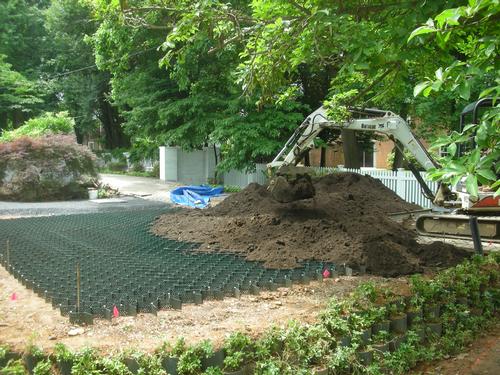
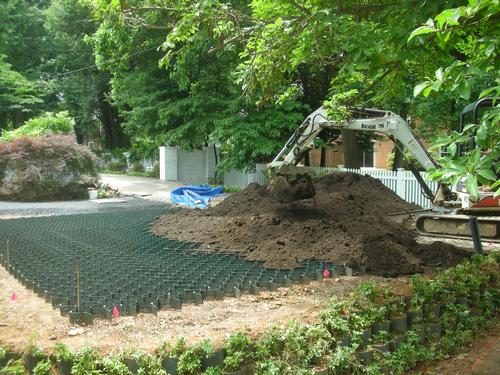
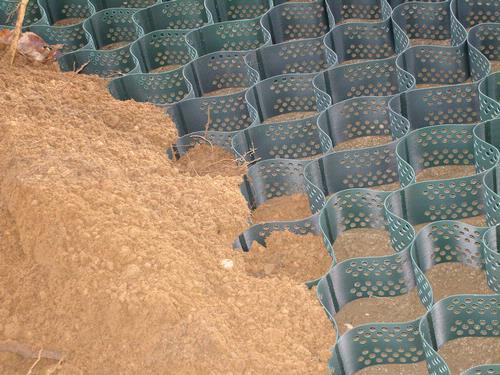
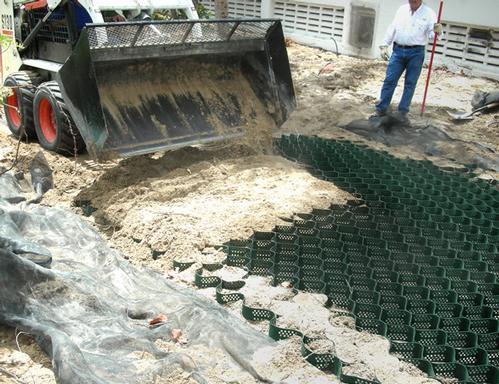
Filling a cellular confinement system with soil for slope stabilization or vegetated surface
Photo 3: Filling the cellular confinement system with soil infill for vegetation

Takeaway: match depth + infill to the job

Gravel-filled geocell is a strong fit for traffic and rut resistance; soil-filled geocell shines where you want erosion control and a vegetated finish. The best projects treat the system as a layer-cake: stable subgrade, separation (when needed), confinement, properly selected infill, and compaction.

Note: Your Photo 3 link had a small typo (“hhttps”). It’s corrected in the image source above so it loads properly.


FAQ: Cellular Confinement Systems (Geocells)

What is a cellular confinement system used for?

It’s used to stabilize gravel or soil by confining it inside interconnected cells. Common uses include driveways, access roads, overflow parking, slope stabilization, and erosion control where rutting or material migration is a problem.

Should I install geotextile under a geocell?

Often, yes—especially on soft subgrade. A geotextile underlayment helps with separation (keeping soil and aggregate from mixing) and can improve long-term performance by reducing pumping and contamination of the infill.

How do I choose 3", 4", or 6" cell depth?

Deeper cells generally provide a thicker confined layer and can improve rut resistance under heavier use. 3" often fits lighter duty, 4" is a common all-around option, and 6" is often chosen for heavier loads, weak subgrade, or demanding conditions.

Can geocell be filled with soil and grassed over?

Yes. Soil-filled cells can be seeded for a vegetated finish (common for slopes and grass parking). Proper anchoring and establishment watering are important so roots knit through the cells and hold the surface.

Do I still need to compact the infill?

Yes. Compaction helps lock the infill into the cells, improving stiffness and reducing settlement. Underfilled or un-compacted cells are a common cause of uneven surfaces.

What causes geocell installs to fail?

The most common issues are poor drainage planning, inadequate anchoring (grid shifts while filling), skipping separation on soft soils, and not fully filling/compacting the cells.

Note: This guide is educational. Site conditions, traffic loads, drainage patterns, and engineered specifications may require adjustments to depth, anchoring, and underlayment selection.