
Skip to content
Free Shipping on All Orders


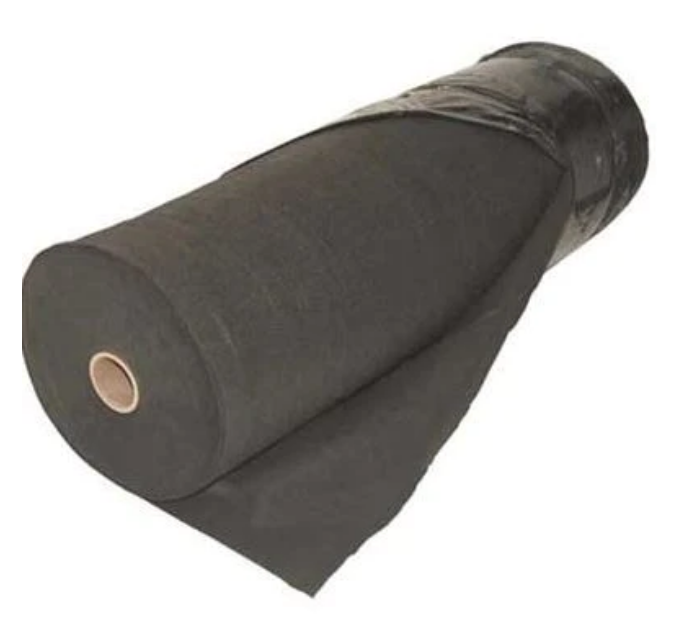
Drainage Geotextile

$230.54


FREE SHIPPING
SKU NWGF4.4x100

Our Drainage Geotextile is a non-woven fabric that is available in 4 oz, 6 oz and 8 oz options. This fabric provides a high water flow rate while also having high strength and dimensionally stable properties. The fabric will not rot or mildew and is non-biodegradable.

The drainage geotextile is used for a variety of applications including french drains, landscaping, and other drainage applications. The fabric acts as a separation layer with high filtration properties. It is available in a variety of sizes to fit your project needs.

AASHTO Selection Sheet: Download

Looking for landscape staples? Click here>

Staples are sold separately.

Frequently Asked Questions

SHIPPING

✔  All items ship for free

☏  Call: (800) 748-5647 for pricing and shipping questions.

This material ships from either California, Minnesota, New Jersey or Georgia. Orders typically ship same day (if placed before 12 PM EST)

Note: The day that the order ships does not count as a transit day. We are unable to expedite fabric shipments faster than what is displayed on the map below.

Drainage & Sitework Guide

Drainage Geotextile: How It Works, How to Choose It, and How to Install It for Long-Lasting Drain Performance

Drainage geotextile is a non-woven filtration fabric used in French drains, trench drains, yard drains, and general drainage trenches to keep soil from clogging stone and pipe while still allowing water to move freely. In plain terms: it’s the “filter layer” that helps your drain stay draining for years instead of silting shut.

Example product referenced in this guide
  • Type: non-woven drainage geotextile
  • Available weights: 4 oz, 6 oz, and 8 oz options
  • Performance focus: high water flow rate + filtration + dimensional stability
  • Durability: resists rot and mildew; non-biodegradable
Product reference: Drainage Geotextile
Common uses
  • French drains and drain trench lining
  • Wrapping drain stone to prevent soil intrusion
  • Wrapping perforated pipe (or creating a fabric “burrito” around pipe + stone)
  • Landscaping drainage and yard drainage projects
High filtration High flow Won’t rot Contractor-friendly

What Drainage Geotextile Is (and Why Drains Fail Without It)

Drainage geotextile is an engineered fabric placed between native soil and drain stone. Its job is simple: keep soil fines out while allowing water in. If you skip the fabric, soil migrates into the voids between stones, the stone pack loses its “open” structure, and the drain’s water-carrying capacity drops.

Filtration The fabric “screens” soil particles so the stone stays open and drains freely.
Separation The fabric keeps two materials from mixing (soil and stone), which helps the trench keep its structure.
Permittivity A technical term for how easily water passes through the fabric. Higher permittivity = easier water flow.
Clog resistance Proper fabric + washed stone + correct install reduces the chance of silting and bio-clogging.

How It Works: Separation + Filtration + Drainage

A well-built drain is basically a controlled pathway for water: water enters the stone bed, moves to the pipe, and exits to a safe outlet. Drainage geotextile supports that by acting like a filter skin around the system.

  • Separation layer: stops soil from mixing into aggregate (keeps void space open).
  • High filtration: helps keep fine particles out of stone and perforations.
  • High flow rate: lets water enter the drain system instead of pooling above it.
Installing drainage geotextile fabric in a drainage channel trench before adding aggregate
Photo 1: Lining a drainage channel/trench with geotextile fabric

Practical example: trench lining vs. “pipe sock” only

Some drains use a filter sock around the pipe, but trench lining with geotextile is often the more complete approach. Lining the trench helps protect the entire stone bed from soil intrusion—because the stone bed is your “water highway.” If that highway fills with fines, the pipe can’t do its job even if the pipe itself is wrapped.

Field tip: in fine soils (silts/clays) and areas with frequent saturation, a robust non-woven fabric is commonly used because it handles filtration while still allowing strong flow into the system.


How to Choose the Right Geotextile: 4 oz vs 6 oz vs 8 oz

The easiest way to compare drainage geotextiles is by weight. More weight generally means more toughness (better survivability during install), while still maintaining drainage when the fabric is properly matched to soil and application.

Use this selection logic

  • 4 oz: light-to-moderate drainage needs, smaller trenches, and installs with minimal abuse during backfill.
  • 6 oz: a common “workhorse” for many French drain and landscape drainage projects where durability matters.
  • 8 oz: heavier-duty option for tougher installs, deeper trenches, coarse backfill conditions, or when you want extra robustness.
Match the fabric to the job
  • Soil type: finer soils need good filtration; coarse soils can be more forgiving.
  • Installation conditions: angular stone, deeper trenches, and equipment traffic favor heavier fabrics.
  • Project spec: some engineers/municipalities reference AASHTO selection guidance—always follow the plan if one exists.

Drain Design Basics: Slope, Stone, and Outlet

Fabric helps a drain stay clear—but a drain still needs a clear path to discharge water. Here are the core design points that make the system work.

1) Slope (the “gravity engine”)

Most French drains rely on gravity. Even a small, consistent slope can move water effectively. In plain terms: consistent is more important than steep. Low spots trap sediment and reduce performance.

2) Washed drain stone (avoid “stone that’s actually dust”)

Washed stone keeps voids open. If you install stone with a lot of fines, you’re essentially importing the clogging problem into your trench.

3) Outlet matters

  • Daylight outlet to a safe area (where allowed)
  • Connection to an approved storm line (where permitted)
  • Sump basin and pump discharge (when gravity can’t win)

Step-by-Step Installation: Drainage Trench + Fabric + Pipe

This approach works for many yard drains, French drains, and landscape drainage trenches. Always confirm utility locations and local requirements before digging.

Tools & materials checklist
  • Drainage geotextile (enough to line trench and wrap over the top)
  • Washed drain stone
  • Perforated pipe (or solid pipe for conveyance runs)
  • Outfall fitting / pop-up emitter / daylight outlet materials
  • Shovel or trencher, rake, and a level/laser for slope control
  • Landscape staples/pins (sold separately) to hold fabric in place during install

1) Excavate the trench

  1. Dig to the planned depth and width (wide enough for stone on both sides of the pipe).
  2. Maintain consistent slope to the outlet.
  3. Remove sharp objects and smooth the trench bottom.

2) Line the trench with geotextile

  1. Lay fabric into the trench with enough excess to fold over the top later (think “taco shell” shape).
  2. Pin the fabric to prevent shifting as stone is placed.
  3. Overlap fabric seams 12" (common field practice) and pin overlap areas more densely.
Perforated drain pipe wrapped in geotextile fabric to reduce soil intrusion and clogging
Photo 2: Drain pipe wrapped in geotextile for filtration protection

3) Place a stone bedding layer

Add a few inches of washed drain stone as bedding so the pipe sits in a stable, free-draining base. This prevents the pipe from settling into soft spots that can create low points.

4) Install the pipe correctly

For perforated pipe, confirm the manufacturer’s orientation guidance (perforations often face down or at a specific angle depending on pipe style). Connect fittings tightly, keep the run smooth, and avoid sharp dips.

5) Backfill with washed stone

Cover the pipe with stone to the desired height. The stone is the reservoir and flow path—don’t skimp here if you want long-term performance.

6) Fold fabric over the top (“burrito wrap”)

Fold the geotextile over the top of the stone so soil can’t fall into the aggregate from above. Overlap the top seam and pin it if needed before final backfill.

7) Finish the surface

  • For turf: add soil and re-sod/seed.
  • For rock beds: add decorative stone on top (fabric stays buried below).
  • For landscape beds: topsoil + mulch, keeping the drain area from becoming a soil catch basin.

Common Mistakes That Cause Clogged Drains

Mistake #1: Using unwashed stone or “stone with fines”

Fines migrate and pack, reducing void space and flow. Washed stone is a big part of clog resistance.

Mistake #2: Not wrapping/lining correctly

If soil can enter the stone from the sides or top, it will. Line the trench and fold fabric over the top for full protection.

Mistake #3: No real outlet

A drain that can’t discharge water is just an underground trench. Make sure the outlet is planned and protected from blockage.

Mistake #4: Creating low spots

Low spots trap sediment and reduce performance. Maintain consistent slope and bedding support.


Case Study: Backyard Drainage Trench That Stayed Clear Through Wet Seasons

Project type: Residential backyard drainage improvement
Problem: pooling water after rain + soggy turf near a fence line
Goal: move water to a controlled discharge point and reduce repeat muddy areas

What was installed

  • A drainage trench lined with non-woven drainage geotextile to prevent soil intrusion.
  • Washed drain stone bedding + a perforated pipe run sloped to a controlled outlet.
  • Fabric folded over the top of the stone pack to create a full “filter wrap.”
  • Surface restored with soil and turf so the yard looked finished (fabric remained buried and protected).

What made it work

  1. Full separation: soil stayed out of the stone bed, so flow capacity stayed high.
  2. Cleaner aggregate: washed stone reduced internal clogging from day one.
  3. Stable slope: consistent grade reduced sediment traps and dead spots.

Outcome

The pooling area dried faster after storms, the drain continued to discharge reliably, and the yard stayed cleaner because the trench system wasn’t slowly filling with fines. Maintenance was limited to occasional outlet checks rather than repeated trench “redos.”

Completed yard drainage project using geotextile fabric, drain stone, and pipe to move water away
Photo 3: Completed yard drainage project with improved surface drainage

Takeaway: fabric is cheap insurance for the drain system

Most “failed French drains” don’t fail because the pipe disappears—they fail because the stone bed clogs. A quality drainage geotextile adds filtration and separation so the drain stays open and functional, especially in fine soils.

Tip: If your project requires an AASHTO-based selection or DOT-style survivability rating, use the project spec as your source of truth and match the fabric accordingly.


FAQ: Drainage Geotextile

What is drainage geotextile used for?

It’s used as a filtration and separation layer in drainage systems—French drains, trench drains, and landscape drainage trenches—to keep soil from clogging drain stone and pipe while still allowing water to flow through the system.

Should I line the trench, wrap the pipe, or both?

For many drainage trenches, lining the trench and folding fabric over the top of the stone pack creates the most complete “filter envelope.” Pipe wrap can help, but trench lining protects the entire aggregate reservoir where most clogging starts.

How do I choose 4 oz vs 6 oz vs 8 oz drainage geotextile?

Heavier weights generally offer more durability during installation. 4 oz fits lighter-duty conditions, 6 oz is a common all-around option, and 8 oz is typically chosen for tougher installs, deeper trenches, or when extra robustness is desired. If an engineer spec exists, follow it first.

How much should I overlap geotextile seams?

A common field practice is about 12 inches of overlap (more in poor soils or wet conditions), with extra pins/staples to keep the seam from opening during stone placement and backfill.

Does drainage geotextile stop all clogging forever?

It dramatically reduces soil intrusion, but long-term performance also depends on proper slope, a real outlet, washed drain stone, and avoiding low spots. Think of fabric as a major reliability upgrade, not a substitute for correct drain design.

Will this fabric rot or break down underground?

Non-woven drainage geotextiles used for permanent drainage applications are typically designed to resist rot and mildew and remain stable in the ground when installed and covered properly.

Note: This guide is educational. Site conditions, drainage codes, and engineered plans can change material selection and installation details. Always verify outlet legality and call utility locate services before excavation.